וויצעצפרעזידענט ווענס זאגט אז די אמעריקאנער-ווענעזועלא אפעראציע פארזיכערט אמעריקאנער ענערגיע
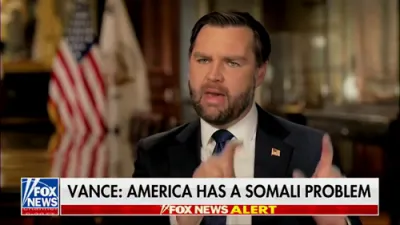
Vice President JD Vance has defended the United States’ recent military operation in Venezuela as a strategic effort that strengthens American interests through enhanced control over that country’s vast natural resources, expanded leverage against geopolitical rivals, and a demonstration of military capability meant to deter future threats.
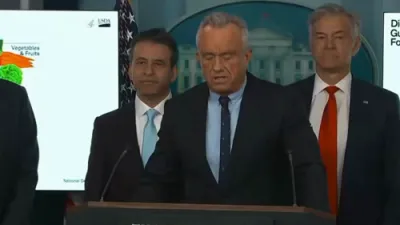
In public remarks outlining the administration’s rationale, Vance said that under President Donald Trump’s leadership, America is reasserting longstanding regional influence in the Western Hemisphere and ensuring that events in neighboring countries unfold in ways that align with U.S. security and economic priorities. He emphasized that the operation strengthens U.S. leverage by placing Venezuelan energy resources under American oversight and conditioning their sale on serving national interests, a shift that the administration says will benefit both American and Venezuelan citizens.
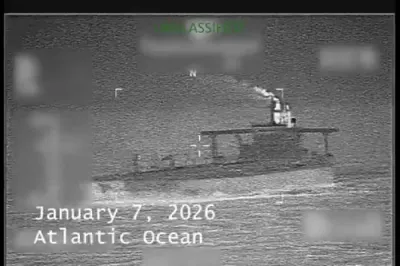
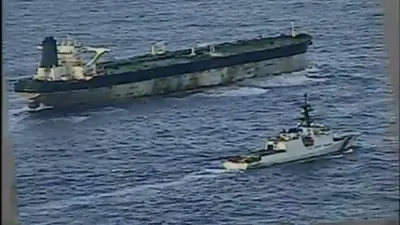
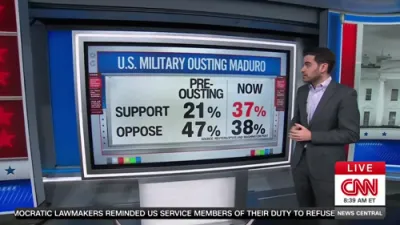
The intervention followed a major military campaign in early January 2026 that resulted in the removal and capture of Venezuelan President Nicolás Maduro. Trump officials have described the broader effort as part of a revived doctrine of hemispheric security, articulating a vision in which U.S. engagement in its neighborhood aims to prevent external adversaries from gaining undue influence and to stabilize a key geopolitical partner. Analysts note that the U.S. now exercises significant leverage over interim Venezuelan authorities through control of Venezuelan energy exports and diplomatic engagement.
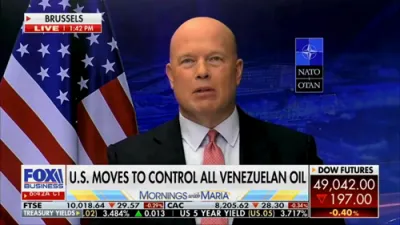
Vance linked control of Venezuela’s oil resources to broader U.S. goals. He argued that managing these supplies can help lower energy costs for American households, enhance economic outcomes, and limit the ability of foreign powers such as Russia and China to exploit Venezuelan assets for their own strategic advantage. By dictating conditions under which Venezuela may sell oil, the administration asserts it can exert sustained influence without large deployments of U.S. combat forces, framing this as an effective blend of economic and military strategy.
Supporters of the operation highlight its demonstration of U.S. military excellence and strategic resolve, claiming that it underscores America’s capability to act decisively when core interests are at stake. Critics, however, warn that the operation risks entanglement and may provoke broader geopolitical tensions, particularly as Venezuela’s economic infrastructure requires extensive rebuilding before oil production can fully resume. Nonetheless, the administration continues to present the intervention as a critical step in strengthening U.S. regional leadership and securing access to key natural resources that underpin national security.