דער פארטריבענער קרוין פרינץ פון די שאך רזא פאהלאווי דערקלערט גרייטקייט זיך אומצוקערן און פירן איראן.
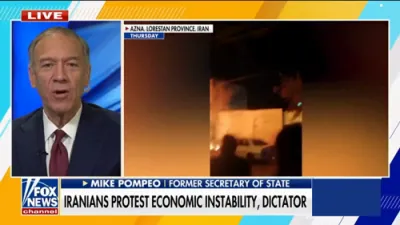
Exiled Iranian Crown Prince Reza Pahlavi has issued one of his strongest public declarations to date, signaling readiness to return to Iran and assume a leadership role alongside protesters challenging the Islamic Republic. In a video statement circulated widely online, Pahlavi said he has prepared his entire life to serve the Iranian nation and is now more ready than ever to step forward at what he described as a decisive moment in the country’s history.
Pahlavi framed his message as a pledge of solidarity with Iranians who have taken to the streets amid escalating unrest. He stated that he intends to stand with his compatriots and help lead what he called the “ultimate battle” for Iran’s future, language that reflects the growing intensity and determination of the protest movement.
Across multiple cities, demonstrators have openly invoked Pahlavi’s name, chanting slogans calling for his return and rejecting Supreme Leader Ali Khamenei’s rule. These chants, once considered taboo, now echo publicly and repeatedly, underscoring the erosion of fear and the expanding scope of dissent. Supporters view Pahlavi as a unifying national figure capable of bridging political, ethnic, and generational divides.
In parallel with his statement, Pahlavi has coordinated symbolic nationwide actions, including synchronized chants scheduled for the evening of January 8, 2026. Such efforts point to increasing organization within the opposition and a growing willingness to challenge the regime openly and collectively.
Reports indicating that regime elites are preparing contingency plans abroad have further fueled perceptions that the current unrest represents a genuine threat to the ruling system. Against this backdrop, Pahlavi’s declaration positions him not merely as a figure of Iran’s past, but as an active participant in a rapidly evolving struggle over the country’s future.
As protests continue and demands for fundamental change intensify, Pahlavi’s message marks a significant development. It signals to supporters and critics alike that the opposition’s ambitions are expanding from resistance alone toward a vision of leadership and national transition.