די ווענעזועלא אפעראציע פארשטארקט די אמעריקאנע כח אין יענע ראיאן
U.S. Ambassador to NATO Matthew Whitaker has strongly endorsed President Donald Trump’s strategy in Venezuela, framing the administration’s oil agreement as a cornerstone of American foreign policy focused on the Western Hemisphere. Whitaker described the emerging deal as a “brilliant idea” that advances U.S. economic and strategic interests by ensuring Venezuela conducts energy and resource transactions in ways that benefit American industry and reinforce regional security.
In recent weeks, the Trump administration has secured terms under which Venezuela will transfer 30 to 50 million barrels of sanctioned oil to the United States, with revenues directed first into U.S. accounts to guarantee oversight and then used to benefit both Venezuelans and Americans. The arrangement is structured to require Venezuela to prioritize purchasing U.S.-made goods such as agricultural products, medical supplies, and energy equipment with proceeds from oil sales, a policy Whitaker said enhances American business and industry. :contentReference[oaicite:0]{index=0}
The oil strategy is part of a broader shift in U.S. policy toward Latin America that emphasizes economic leverage, hemispheric influence, and deterrence of foreign adversaries. Administration officials argue that controlling the marketing of Venezuelan crude allows the United States to stabilize global energy markets and reduce regional dependence on external powers, thus limiting influence from rivals such as China and Russia. :contentReference[oaicite:1]{index=1}
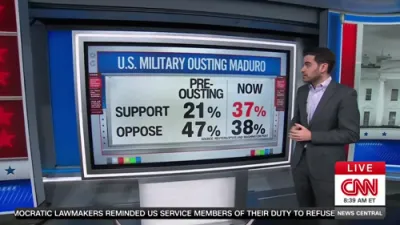
This approach follows a significant military and diplomatic campaign earlier in January that included U.S. strikes aimed at key Venezuelan targets and the removal of President Nicolás Maduro from power. Since then, U.S. authorities have managed Venezuela’s oil exports and engaged in negotiations with interim leaders to align strategic outcomes with U.S. interests. The deal is seen domestically as reinforcing President Trump’s commitment to prioritizing American economic strength and security interests in its immediate neighborhood, consistent with a renewed emphasis on Western Hemisphere policy.