אויטאס ברענען און שיסעריי הערט זיך אן בשעת א איראן פראטעסט כוואליע.
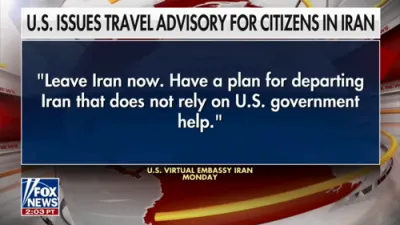
Iran has been rocked by nationwide anti-government protests that began as demonstrations over worsening economic conditions and quickly escalated into open calls for the overthrow of the country’s leadership. The unrest has spread across multiple cities, underscoring growing public anger over inflation, unemployment, and long-standing grievances against the ruling regime.
Authorities responded by imposing a sweeping internet blackout last Thursday, sharply limiting the flow of information both inside and outside the country. While the shutdown succeeded in suppressing real-time reporting, limited access was restored on Monday, allowing media outlets to release footage that had been recorded days earlier.
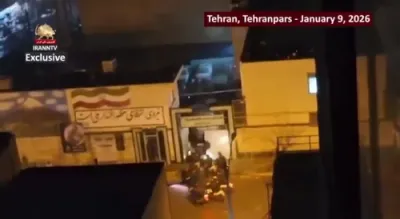
Videos emerging from Tehran show scenes of chaos near Hafte Tir Square, where demonstrators set vehicles ablaze as thick smoke filled the streets. In the background, the sound of sustained gunfire can be heard, highlighting the intensity of the crackdown by security forces attempting to regain control.
Witness accounts and visual evidence suggest confrontations between protesters and regime forces continued well into the night. The use of live ammunition, combined with mass arrests and communications restrictions, reflects the government’s reliance on force to suppress dissent rather than address the underlying economic and political demands.
The protests mark one of the most serious challenges to Iran’s leadership in recent years, revealing deep cracks between the ruling elite and large segments of the population. Despite heavy censorship and repression, the footage circulating online has drawn international attention to the scale of the unrest and the regime’s increasingly hardline response.
As tensions persist, Iran’s leadership faces mounting pressure at home and growing scrutiny abroad, with many watching to see whether the protests will subside under force or evolve into a broader movement demanding systemic change.