סענאטאר קענעדי קריטיקירט מינעאפאליס ICE פראטעסט גוואלדטאטן.
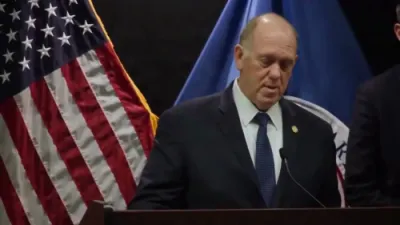
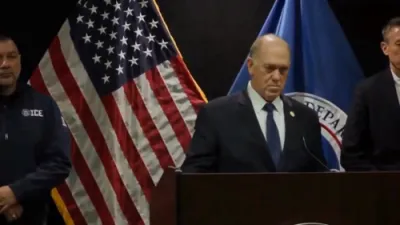
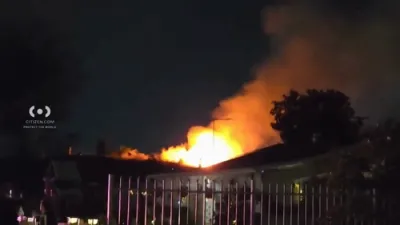
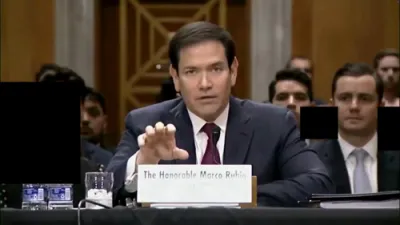
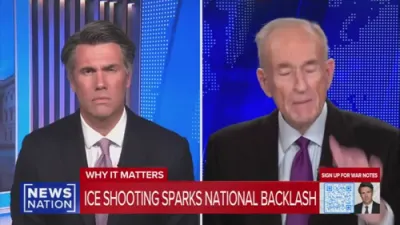
Senator John Kennedy (R‑La.) sharply criticized violent protests against Immigration and Customs Enforcement (ICE) operations in Minneapolis, labeling the unrest as a “12‑piece bucket of stupid” and warning that escalating rhetoric and disruptive tactics “won’t go down well.” His comments reflect growing frustration among Republican lawmakers with how anti‑ICE demonstrations have unfolded amid federal immigration raids in the city. :contentReference[oaicite:0]{index=0}
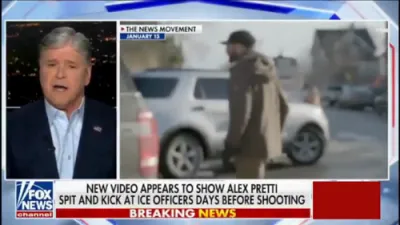
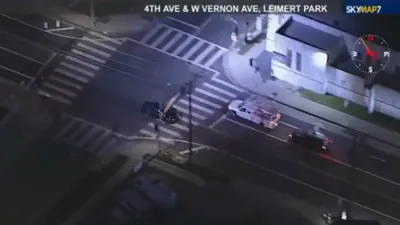
The protests in Minneapolis intensified following the fatal shooting of 37‑year‑old Alex Pretti, an intensive care nurse, by federal immigration agents on January 24, 2026. Pretti, who was participating in a demonstration against enhanced ICE enforcement under the Trump administration’s Operation Metro Surge, was shot during a confrontation that has since drawn national scrutiny and calls for independent investigation. :contentReference[oaicite:1]{index=1}
Kennedy’s blunt description of the unrest highlights the sharp partisan divide over immigration policy and the proper role of federal enforcement. While some activists argue that resistance is necessary to challenge what they see as excessive use of force by ICE and Customs and Border Protection, Republican leaders like Kennedy frame the protests — particularly when they turn violent — as counterproductive and dangerous.
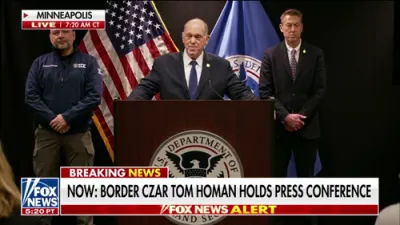
The Minneapolis protests did not emerge in isolation. They are part of a broader wave of demonstrations nationwide following the deaths of Pretti and Renée Good, another Minneapolis resident killed earlier in January during a federal immigration enforcement operation. Those incidents, and the highly visible clashes between federal agents and protesters, have intensified debates over how immigration laws are enforced and how to balance public safety with civil liberties. :contentReference[oaicite:2]{index=2}
Critics of the protests argue that violent confrontation hampers constructive dialogue and undermines calls for accountability, while supporters maintain that intense public pressure is necessary to prompt reform. The Minnesota demonstrations have become a focal point in national discussions about immigration policy, the conduct of federal agents, and the limits of protest — with lawmakers across the political spectrum weighing in.