איראן איז אנטוישט פון אמעריקאנע סאנקציעס אבער וויל פארהאנדלען
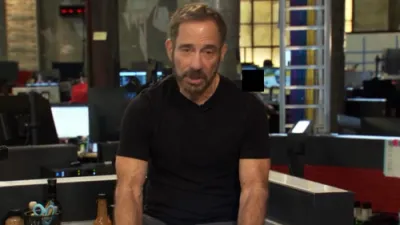
Iran is expressing growing frustration with the United States over sustained sanctions that have hindered nuclear negotiations, raising critical questions about whether diplomacy can still prevent escalation in the Middle East. The debate was recently explored on RT’s “The Sanchez Effect,” where Ali Asghar Shafieian, media adviser to Iranian President Masoud Pezeshkian, detailed Tehran’s stance on sanctions and nuclear policy.
Shafieian emphasized that Iran remains open to negotiations regarding its uranium enrichment program, but insists that meaningful dialogue requires the lifting of U.S. sanctions. He cited the 2015 Joint Comprehensive Plan of Action (JCPOA) as a cautionary example, arguing that unilateral U.S. withdrawal undermined trust and prevented the deal from achieving long-term stability.
Addressing concerns over nuclear proliferation, Shafieian reiterated that Iran’s Supreme Leader Ayatollah Khamenei has issued a fatwa prohibiting the development of nuclear weapons. According to Shafieian, this guarantees Iran’s enrichment program is strictly for peaceful purposes, such as electricity generation and medical isotope production.
The adviser also reframed the oft-cited slogan “Death to America” as a critique of U.S. foreign policy rather than a reflection of public sentiment. He highlighted polling data suggesting that many Iranians maintain cultural admiration for the United States despite geopolitical tensions, signaling that public perception may be more nuanced than media narratives suggest.
Shafieian further condemned the humanitarian toll of sanctions, arguing that restrictions disproportionately affect ordinary citizens while complicating diplomatic engagement. He suggested that removing these economic barriers would create a pathway for renewed negotiations and could stabilize regional dynamics by rebuilding trust.
The discussion on “The Sanchez Effect” underscores two major questions at the heart of Middle East peace: can the U.S. and Iran rebuild trust after years of unilateral actions, and will Tehran ever agree to constrain its uranium enrichment program without guarantees that its sovereignty and civilian nuclear rights are respected?
Observers note that the answers to these questions will have profound implications for regional security, global energy markets, and the broader architecture of nonproliferation. Shafieian’s appearance highlighted Iran’s willingness to engage diplomatically if sanctions are addressed, suggesting a potential opening for dialogue even amid deep-seated mistrust.