געוועזענער איזראעלי אמבאסאדאר זאגט אז מדינת ישראל דאאף באפרייען איראן
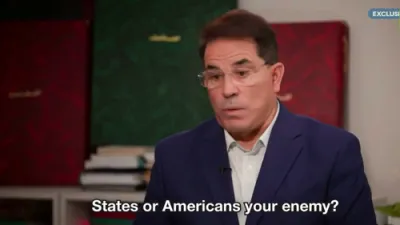
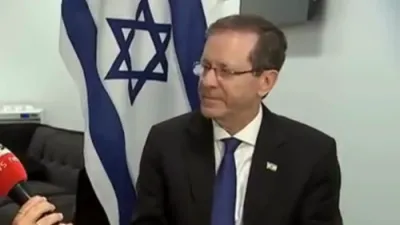
Former Israeli ambassador to the United States, Michael Herzog, expressed skepticism about the prospects of a U.S.-Iran nuclear deal, citing Iran’s resistance to American demands despite what he described as a weakened position. In a CBS News clip from February 11, 2026, Herzog stated, “Chances of a peace deal are not very high because it is difficult to see Iran conceding to the American terms.”
Herzog emphasized Israel’s strategic priorities, noting that while Iran may appear weakened, its missile program is advancing rapidly. “Israel would like to see any deal effectively block Iran's pathway to a nuclear bomb,” he said. “At the minimum, Israel would like to maintain its freedom of action against that emerging threat, because we see Iran really speeding up its missile program, developing it to a point where they can overwhelm Israeli defenses.”
The remarks follow President Trump’s White House meeting with Israeli Prime Minister Benjamin Netanyahu earlier that day. Trump expressed a desire to pursue negotiations with Iran, but Israel has maintained that any agreement must include strict limitations on Iran’s ballistic missile capabilities to prevent the country from gaining a nuclear strike capacity.
Analysts note that Herzog’s statements reflect long-standing Israeli concerns: even if Tehran engages diplomatically, its regional ambitions and continued military advancements pose a persistent threat. Limiting nuclear and missile development simultaneously remains a central challenge for U.S.-led negotiations.
Herzog’s comments underscore the tension between U.S. diplomatic engagement and Israel’s security imperatives. While Washington aims to find a negotiated solution to constrain Iran’s nuclear program, Israel continues to prioritize operational freedom to respond to threats independently if diplomatic measures fall short.
The CBS segment highlights the complex calculus facing policymakers: balancing potential diplomatic breakthroughs against the reality of a technologically advancing Iran and the strategic requirements of regional allies like Israel.