רוביא איבער די סכנה פון איראן
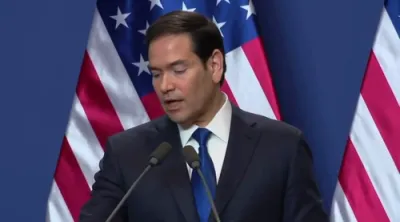
Secretary of State Marco Rubio expressed cautious skepticism regarding ongoing U.S.-Iran negotiations, emphasizing the unique challenges posed by Iran’s leadership structure. Speaking ahead of indirect talks scheduled in Geneva on February 17, 2026, Rubio noted that while President Trump prefers peaceful outcomes and remains willing to engage diplomatically, the nature of Iran’s decision-making presents obstacles. “We’re dealing with radical Shia clerics who are making theological decisions, not geopolitical ones,” Rubio explained, highlighting the divergence between religious priorities and practical statecraft.
The Geneva discussions are expected to address nuclear restrictions in exchange for sanctions relief on Iran’s energy and aviation sectors, building on the framework of prior agreements while reflecting lessons learned from the 2018 JCPOA withdrawal. Rubio’s comments echo his previous statements in the Wall Street Journal and other outlets, underlining a consistent concern within the Trump administration: that Iran’s clerical leadership may limit the effectiveness of conventional diplomacy due to doctrinal motivations that supersede strategic or economic calculations.
While emphasizing skepticism, Rubio reaffirmed that the Trump administration’s approach remains centered on exhausting diplomatic avenues before considering escalation. The administration aims to balance firmness with negotiation, maintaining pressure on Tehran while signaling a willingness to engage constructively. Rubio’s remarks underscore the broader strategic context of U.S. policy toward Iran: a focus on containment, deterrence, and measured engagement, particularly given the historical volatility of the region and the potential consequences of nuclear proliferation.
Observers note that Rubio’s framing of Iran’s leadership challenges serves multiple purposes: it manages domestic expectations, reinforces the administration’s tough stance, and communicates clearly to international partners the complexities involved in securing a meaningful agreement. As the Geneva talks approach, the interplay between theological influence in Iran and U.S. strategic objectives will likely continue to shape both negotiation tactics and public messaging.