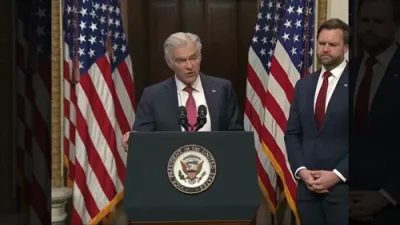
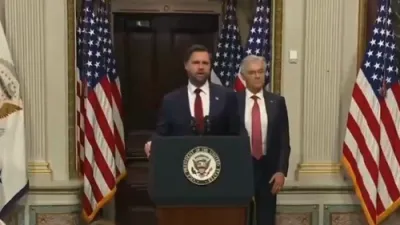
סעקרעטאר רוביא פארלאנגט אז די איראן געשפרעכן זאלן זיך אויסברייטערן ווייטער פון די נוקלעארע פראגע.
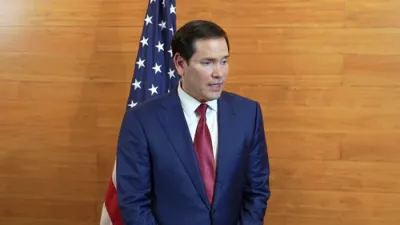
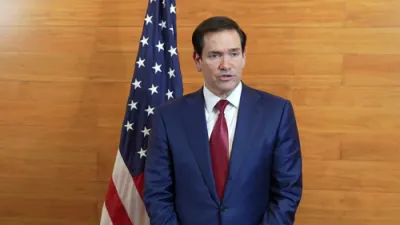
Secretary of State Marco Rubio signaled that upcoming negotiations with Iran must extend beyond the nuclear file to address the country’s expanding ballistic missile program and broader regional security activities. While expressing cautious optimism that the Geneva talks could produce constructive engagement, Rubio emphasized that limiting discussions solely to uranium enrichment and inspection frameworks would leave what he described as a growing strategic threat unaddressed.
Rubio pointed to the contradiction between Iran’s deteriorating domestic economic conditions under sanctions and its continued investment in increasingly capable missile systems. He argued that the allocation of resources toward long-range delivery platforms, despite fiscal strain and public hardship, demonstrates a prioritization of military power projection that destabilizes the region and undermines the prospects for a durable diplomatic settlement. In his assessment, any sustainable agreement must incorporate verifiable constraints on missile development alongside nuclear safeguards.
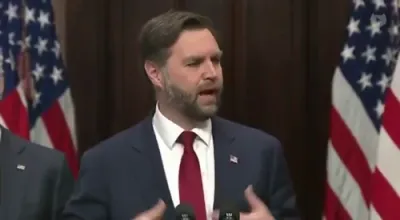
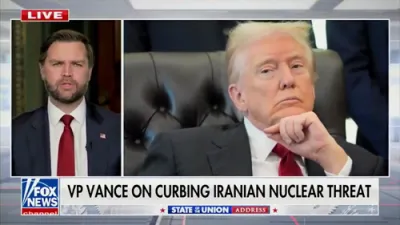
The secretary’s position reflects a broader policy alignment within the administration, which has framed Iran’s missile arsenal and support for proxy networks as integral components of the overall security challenge. Coordination with Vice President JD Vance and senior defense officials has focused on integrating diplomatic pressure with deterrence measures, including reinforced U.S. force posture in the Middle East and closer intelligence cooperation with regional allies. This dual-track approach aims to increase leverage at the negotiating table while maintaining readiness to counter potential escalation.
The resumed Geneva channel, facilitated through indirect contacts, offers a mechanism for exploring expanded parameters without immediate public concessions. U.S. negotiators are expected to seek commitments on missile range limitations, testing moratoria, and transparency measures that would complement existing nonproliferation objectives. Whether Tehran is willing to broaden the scope of talks remains uncertain, as Iranian officials have historically resisted linking missile capabilities to nuclear negotiations, framing them as non-negotiable elements of national defense.
Rubio’s remarks also underscore the administration’s view that sanctions relief should be conditioned on measurable behavioral changes rather than confined to technical nuclear compliance. By tying economic incentives to a wider set of security benchmarks, policymakers aim to address what they consider the root drivers of regional instability, including weapons transfers to non-state actors and the proliferation of precision-guided munitions.
The emphasis on a comprehensive framework reflects lessons drawn from earlier diplomatic efforts that compartmentalized nuclear issues from other military activities. Advocates of the expanded approach argue that a narrower agreement risks enabling parallel advancements in delivery systems that could shorten breakout timelines and complicate deterrence. Critics caution that broadening the agenda may make negotiations more complex and reduce the likelihood of near-term progress.
As discussions proceed, the central question will be whether a balance can be achieved between immediate nonproliferation goals and longer-term constraints on missile development. Rubio’s call for a wider negotiating mandate signals that the United States intends to pursue a holistic security arrangement rather than a single-issue accord, positioning missile capabilities as a core element of any future deal with Iran.