וויצע־פרעזידענט ווענס באהויפטעט אז איראן בויט איבער נוקלעארע וואפן.
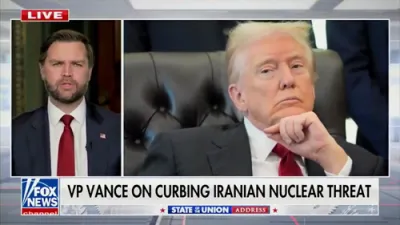
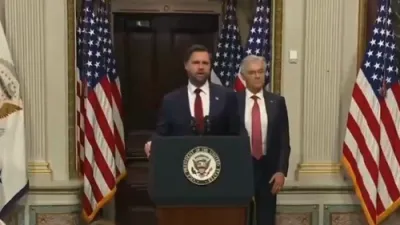
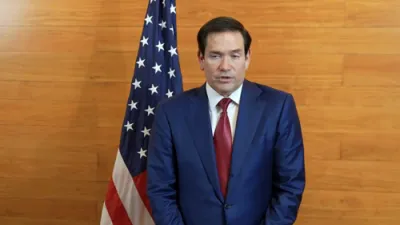
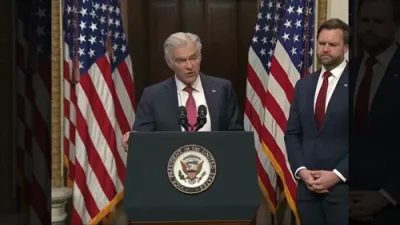
Vice President JD Vance stated on February 25, 2026, that U.S. intelligence indicates Iran is attempting to rebuild its nuclear weapons program, signaling a sharp escalation in American concerns over Tehran’s capabilities. Speaking during a formal briefing, Vance emphasized that these developments align with observed patterns of nuclear site activity and procurement efforts, suggesting a potential return to pre-JCPOA levels of weapons ambition.
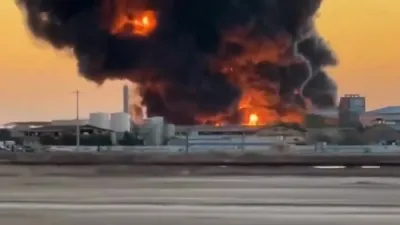
The remarks come amid heightened U.S.-Iran tensions, following recent American airstrikes on Iranian nuclear facilities earlier in February and the imposition of new sanctions under the Trump administration. Officials contend that these measures are intended both to deter further nuclear development and to reinforce the leverage of U.S. diplomacy, combining economic pressure with credible military readiness. Vance framed the intelligence as evidence that Iran’s actions require sustained vigilance and a firm policy posture.
Vance’s statement reflects a broader strategic shift toward a hardline approach reminiscent of policies pursued before the Joint Comprehensive Plan of Action, emphasizing verification, enforcement, and the potential for military options if Tehran fails to comply with international norms. By coupling public intelligence disclosure with diplomatic warnings, the administration aims to signal to both domestic and international audiences that continued nuclear ambitions carry serious consequences.
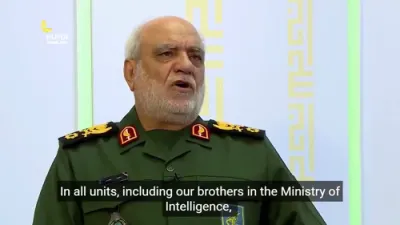
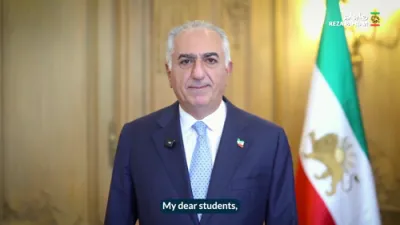
Iranian leadership, however, has rejected these claims, with President asserting that Supreme Leader Ali Khamenei has prohibited the development or use of weapons of mass destruction. Iranian officials have described U.S. assessments as politically motivated, stressing that nuclear activities remain under civilian oversight and are intended for peaceful purposes such as energy production and scientific research.
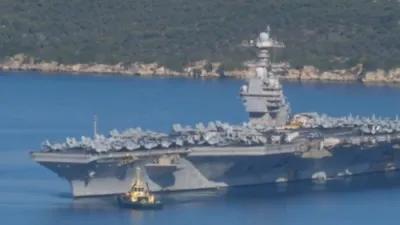
Analysts note that the situation underscores the ongoing tension between verification regimes and perceived compliance gaps. While intelligence reports are often classified, public statements by senior U.S. officials serve to pressure Tehran diplomatically, reinforce sanctions credibility, and prepare allies for potential contingencies. The announcement also coincides with broader regional security considerations, including U.S. force posture in the Middle East and coordination with Israeli and Gulf partners.
As negotiations and diplomatic channels continue, the focus remains on whether Iran can provide verifiable assurances that its nuclear program is strictly civilian, and whether the U.S. and its allies can maintain a credible deterrent against potential weaponization. Vance’s remarks signal that the administration intends to pair dialogue with readiness, ensuring that any expansion of Iranian nuclear capability will be met with coordinated international response.