IRGC האט שוועריגקייטן צו האלטן קאנטראל צווישן פראטעסטן.
Iran’s power structure appears increasingly fragile as analysts report growing defections within the country’s security apparatus. Observers note that the Islamic Revolutionary Guard Corps (IRGC) is relying on threats and claims of sweeping arrests to maintain the appearance of control, measures critics interpret as signs of an overstretched and unstable system.
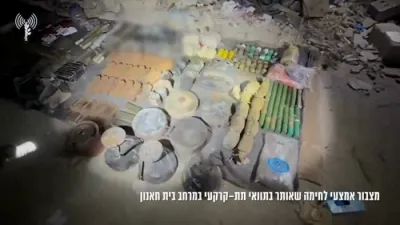
IRGC Deputy Commander Mohammad Karami acknowledged that SMS warnings were sent to 13,000 personnel, coupled with the recovery of over 1,000 weapons from suspected defectors. These actions underscore the regime’s efforts to deter internal dissent and maintain operational cohesion amid widespread protests and ongoing economic challenges during 2025-2026.
Experts argue that the combination of public unrest, economic pressure, and visible cracks within the security forces highlights the regime’s vulnerabilities. While the IRGC projects authority through threats and selective enforcement, the rising number of defections and the need to confiscate weapons indicate a leadership under strain. The situation underscores the challenges facing Tehran as it seeks to preserve control, both internally among its security forces and externally in the broader region.
Analysts caution that sustained internal pressure could further weaken the IRGC’s cohesion, potentially affecting Iran’s broader strategic posture. These developments may have implications not only for domestic stability but also for Iran’s interactions with regional adversaries and ongoing international negotiations.