איראן האט ארויסגעגעבן ווידעא פון אראפשיסן אמעריקאנער דראון.
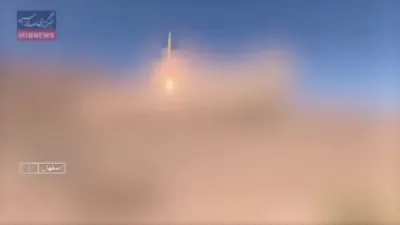
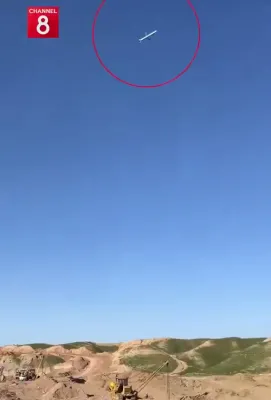
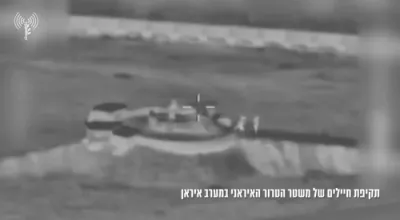
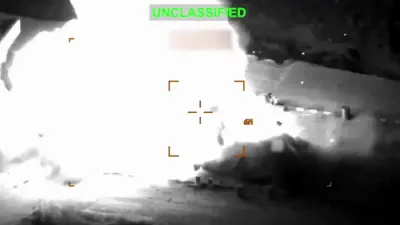
Iranian state media outlets have released infrared footage claiming that an Islamic Revolutionary Guard Corps air defense unit shot down a U.S. Air Force MQ-9 Reaper drone over southern Iran earlier today. The short video, circulated by Tasnim and Mehr News, shows what appears to be a tracked aerial object followed by a bright intercept flash and falling debris. As of this writing, there has been no independent confirmation from U.S. officials regarding the loss of a Reaper platform.
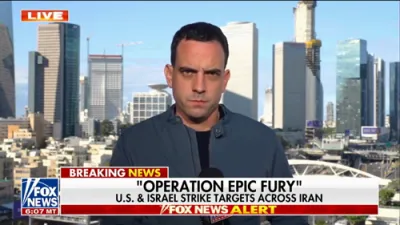
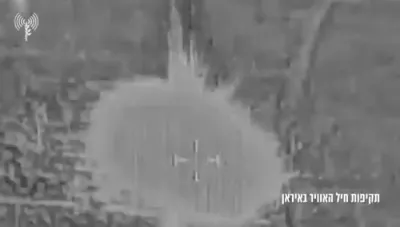
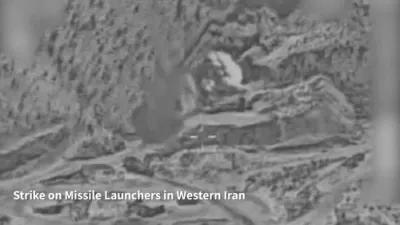
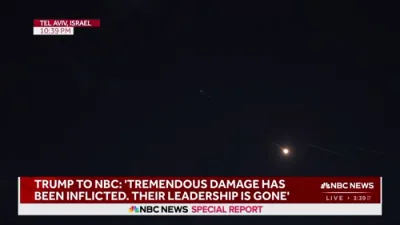
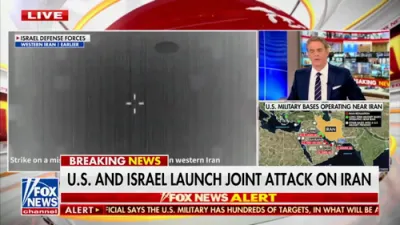
The reported incident comes amid a period of heightened military activity following large-scale U.S. and Israeli strikes on Iranian military infrastructure. In that context, the release of the footage appears aimed at demonstrating Iran’s continued air defense capability despite recent losses to radar systems and missile batteries. Iranian messaging has emphasized resilience and the ability to contest airspace, a key component of Tehran’s deterrence narrative.
The MQ-9 Reaper is a medium-altitude, long-endurance unmanned aerial vehicle used for intelligence, surveillance, reconnaissance, and precision strike missions. Its operations typically rely on standoff ranges and secure data links, making any confirmed shootdown a noteworthy event. However, analysts caution that without geolocation data, wreckage imagery, or corroborating signals intelligence, the authenticity and operational significance of the claim remain uncertain.
Information warfare has become a central feature of the current confrontation, with both sides releasing selective footage to shape perceptions of battlefield effectiveness. For Iran, publicizing a successful intercept would serve domestic and regional audiences by countering the narrative of degraded air defenses following recent strikes on missile and radar sites. For the United States, confirmation or denial would depend on operational security considerations, particularly if surveillance missions remain ongoing.
Strategically, the claim underscores Iran’s reliance on layered air defense systems to protect critical infrastructure and project an image of contested airspace. Even limited or symbolic successes can be leveraged for political and psychological impact, especially during periods of sustained external pressure. At the same time, the broader balance of airpower continues to favor the United States and its allies, given their advantages in electronic warfare, stealth, and long-range precision engagement.
As the situation evolves, verification of the incident will be a key factor in assessing its operational relevance. Whether the footage represents a genuine shootdown, a misidentified target, or a controlled information release, it reflects the increasingly complex interplay of military action and narrative competition shaping the current phase of the conflict.