אילאן מאסק מעלדט איבער נייע פאוער פאר ראבאטן
Elon Musk has unveiled TERAFAB, an ambitious semiconductor project in Austin that he says will help supply the massive computing needs of Tesla, SpaceX, and xAI. Reports on the launch describe TERAFAB as a vertically integrated facility designed to handle chip design, fabrication, testing, and packaging in one operation, with Musk presenting it as the missing link for scaling AI hardware across his companies. The project is aimed at supporting Tesla’s Optimus robots, advanced vehicle AI, and space-based computing systems as demand for specialized chips continues to rise.
Musk outlined a vision in which a substantial share of TERAFAB’s output would eventually be deployed in orbit, where continuous solar power could make large-scale AI compute more economical than comparable Earth-based systems. Coverage of the event says he tied the project to terawatt-scale compute ambitions and described investment expectations in the roughly $20 billion to $25 billion range, with outside reports also noting that the scale and complexity of such a fab would make execution highly challenging. The announcement reflects a broader push toward hardware independence as Tesla and its affiliates seek to reduce reliance on external suppliers for future AI growth.
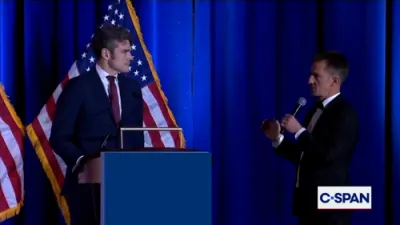
The Austin event also featured Musk discussing longer-range concepts such as lunar mass drivers, which he framed as a way to launch large amounts of compute infrastructure into space at far lower cost. The mass-driver concept is not new: NASA archival materials and later academic work trace it back to studies associated with Gerard O’Neill and 1970s lunar industry proposals, where electromagnetic launch systems were explored for sending material off the Moon without conventional rockets. The basic appeal is that the Moon’s low gravity and lack of atmosphere make electromagnetic launch conceptually more practical there than on Earth.
Even so, TERAFAB remains at the vision-and-launch stage rather than a completed manufacturing reality. Recent reporting indicates Tesla has begun staffing and planning activity for the project, but major questions remain around financing, partners, process technology, and whether Musk’s timeline for production by 2027 can be achieved. For now, TERAFAB stands as one of Musk’s boldest industrial bets yet, combining AI chips, robotics, orbital infrastructure, and a long-term space manufacturing agenda into a single high-risk, high-ambition strategy.