סאטעליט בילדער ווייזן פארדעכטיגטע איראן-פארבונדענע רער-ליניע אטאקעס.
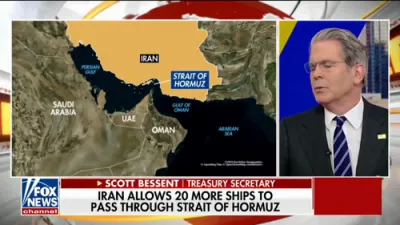
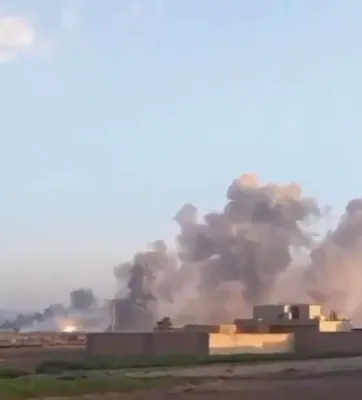
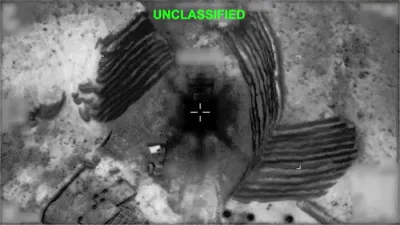
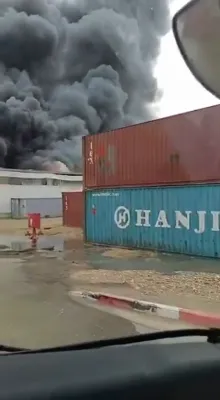
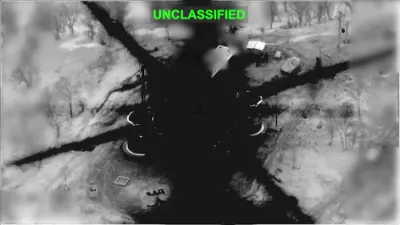
Satellite imagery has revealed active fires at two pumping stations along the Habshan–Fujairah pipeline in the United Arab Emirates, a crucial 360-kilometer route that enables approximately 1.5 million barrels of oil per day to bypass the Strait of Hormuz. Thermal anomalies captured in the images suggest rapid ignition and spread, consistent with sabotage or targeted attacks. Analysts note that such incidents could significantly disrupt energy flows for U.S. allies and heighten regional instability amid ongoing tensions between Israel and Iran.
The pipeline, a major alternative for Gulf oil exports, has previously been targeted in March 2026 drone strikes attributed to Iran. These operations appear aimed at undermining energy security and applying pressure on nations aligned with U.S. policy in the Middle East. The current fires follow a pattern of strategic strikes on critical infrastructure, demonstrating Iran’s capacity to affect global supply chains without direct confrontation.
Video timelapse accompanying the satellite data shows smoke plumes rising over 26 seconds, providing a stark visual of the scale and intensity of the damage. Such imagery highlights the rapid escalation risk for energy markets, where even temporary interruptions have historically caused oil price spikes of 2–3 USD per barrel in the region. Market analysts are monitoring the situation closely for potential knock-on effects on global crude supplies.
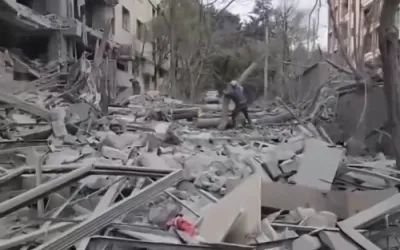
Officials have emphasized that maintaining the pipeline’s operation is critical to preventing broader economic disruption. Efforts to contain the fires and assess structural damage are underway, though the full impact on daily exports remains under evaluation. The event underscores the vulnerability of key energy infrastructure in geopolitically tense regions and the importance of contingency planning.
This incident adds to a growing series of security challenges for Gulf energy routes, demonstrating how regional conflicts can have immediate international ramifications. Observers warn that continued attacks could force governments and companies to re-evaluate shipping routes and protective measures, amplifying the strategic stakes of the ongoing Middle East tensions.