אמעריקע און מדינת ישראל אטאקירן איראן ראקעטן פאבריק אין איספאהאן.
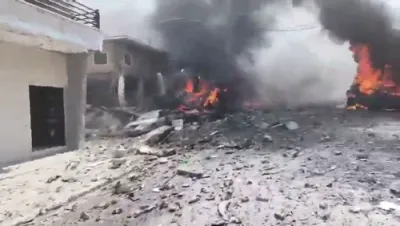
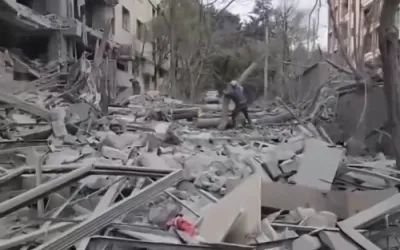
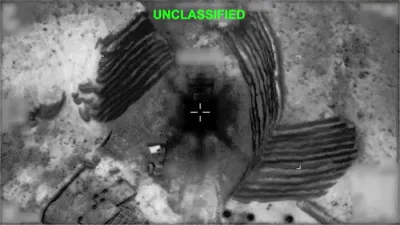
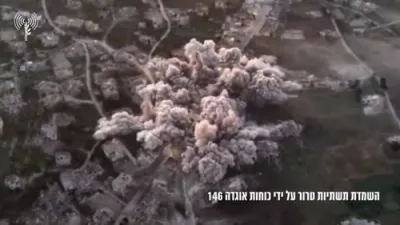
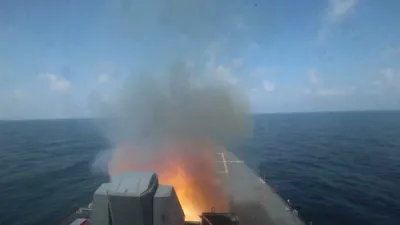
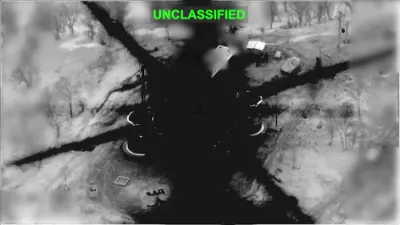
Yesterday, U.S. and Israeli forces conducted a coordinated airstrike on an underground missile storage facility near Isfahan, Iran. Video footage circulating from the site shows smoke and explosions rising from the complex, highlighting the strike’s immediate impact. This operation marks the latest escalation in what is being referred to as the ongoing "Second Iran War," signaling a focused effort to disrupt Iran's missile capabilities. Analysts note the precision and intensity of the strike reflect months of intelligence gathering and operational planning.
According to Israeli Defense Forces statements, this facility was part of a larger network of ballistic missile sites in central Iran targeted over the same day. More than 140 Israeli Air Force targets were reportedly hit, emphasizing the scale and coordination of the campaign. U.S.-Israeli collaboration underscores a strategic alignment aimed at neutralizing Iran’s long-range missile potential before it can threaten regional stability or Israel’s security.
This strike is part of a broader campaign that has seen over 600 airstrikes on Iranian missile infrastructure since mid-March. The sustained offensive demonstrates the combined forces’ commitment to degrading Iran’s military assets, particularly those capable of launching ballistic missiles. Observers note that these operations also send a clear geopolitical message to Tehran regarding the consequences of advancing its missile programs in defiance of regional and international pressures.
The footage and reports from Isfahan provide insights into the scale and sophistication of Iran’s underground facilities, many of which are heavily fortified and concealed to prevent detection. Analysts suggest that repeated targeting of such sites is necessary to disrupt Iran’s ability to quickly rebuild or mobilize its missile arsenal. The airstrike further illustrates the tactical approach of using intelligence-driven precision strikes to limit collateral damage while maximizing strategic impact.
Overall, the airstrike near Isfahan reinforces the high stakes in the current U.S.-Israeli campaign against Iranian missile capabilities. The combination of operational effectiveness, intelligence precision, and sustained pressure reflects a long-term strategy to counter threats before they materialize. As the conflict continues, military observers expect additional strikes targeting remaining underground facilities across central Iran to maintain pressure on Tehran and ensure regional security.