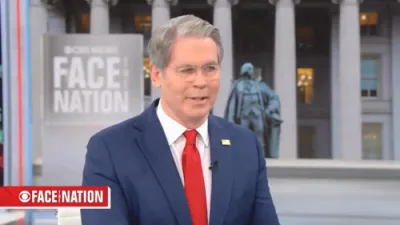
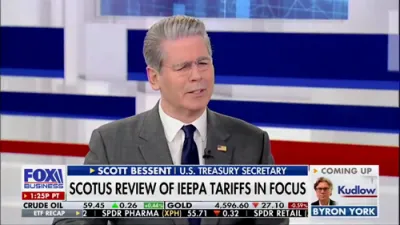
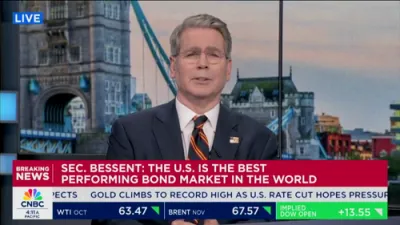
סקאט בעסענט שווערט אמעריקאנער קאנטראל איבערן שטראז פון הארמוז.
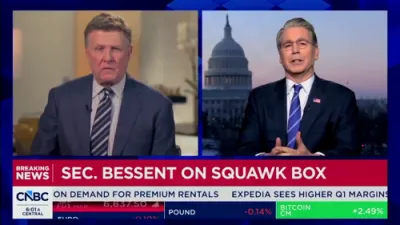
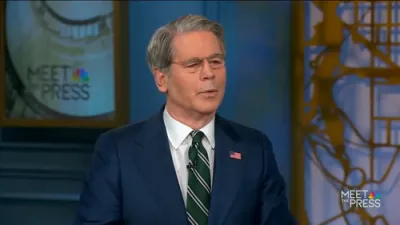
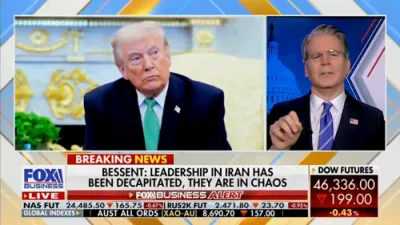
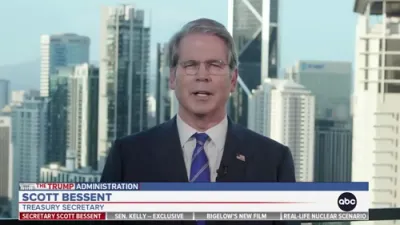
Scott Bessent has asserted that the United States will ensure freedom of navigation through the Strait of Hormuz, a vital chokepoint handling roughly 20% of global oil trade. Speaking amid Iranian-imposed shipping restrictions in retaliation for February 2026 U.S.-Israeli airstrikes, Bessent emphasized that passage will be maintained either through U.S. naval escorts or a broader multinational escort framework. His remarks underscore Washington’s commitment to preventing disruption of international energy flows in a highly sensitive region.
Since late February 2026, Iran has selectively limited vessel transit through the strait, prompting U.S. measures such as controlled tanker allowances and proposals for targeted insurance programs. These steps aim to sustain partial oil flows while avoiding a full closure that, according to energy analysts, could spike crude prices by as much as 50%. Bessent’s statement reflects both a strategic warning to Tehran and a signal to global markets that the U.S. intends to stabilize the route.
The Treasury Secretary’s comments also suggest a potential escalation toward a multinational naval taskforce in the Gulf. European allies have offered cautious support, calling for shared responsibility in safeguarding the strait, while regional actors like the Houthis have issued warnings, though Red Sea activities remain limited as of March 30, 2026. The balance between enforcement and diplomatic coordination remains a delicate aspect of current operations.
Bessent framed the effort as part of a broader strategy to uphold international norms and prevent unilateral disruptions of critical energy corridors. The U.S. is coordinating with regional partners to manage shipping safely, while retaining the flexibility to respond to further escalations. Analysts note that visible U.S. commitment may deter additional provocations, although the situation remains fluid given ongoing Iran-U.S.-Israel tensions.
Overall, Bessent’s statement signals a firm posture toward maritime security and the protection of global oil supplies. By combining military readiness with multinational coordination, Washington aims to maintain stability in the Strait of Hormuz while mitigating the economic and geopolitical impact of ongoing hostilities in the region.