נתניהו פארטיידיגט די פארשליסונגען פון קירכע אין ירושלים צוליב סעקיורעטי.
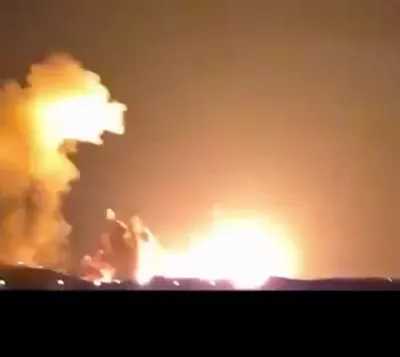
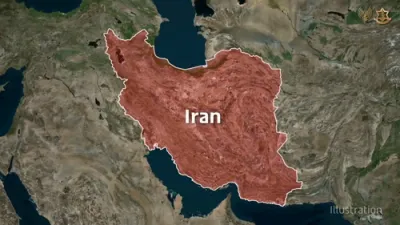
Israeli Prime Minister Benjamin Netanyahu addressed concerns over the temporary closure of churches in Jerusalem during an interview with Newsmax CEO Chris Ruddy. Netanyahu emphasized that the closures were implemented to protect Christians and worshippers of all faiths, particularly in light of Iranian missile fragments that nearly struck the city during the ongoing US-Israel-Iran conflict, which began on February 28, 2026. The temporary restrictions included the Church of the Holy Sepulchre and other holy sites, prompting immediate security measures for Palm Sunday services on March 29, 2026.
The decision to restrict entry was met with international backlash, especially from Catholic leaders, but Netanyahu quickly authorized limited access for Holy Week worship to balance safety with religious observance. Officials noted that these measures were precautionary, designed to prevent potential casualties while maintaining continuity of worship during a sensitive period. Netanyahu framed the closures as a protective action, not a political or religious statement, underscoring Israel’s commitment to safeguarding minority communities.
Observers point out that Israel’s focus on protecting Christian populations contrasts with broader Middle Eastern trends, where Christian communities are declining due to regional conflicts and persecution. Netanyahu’s emphasis on security aligns with Israel’s demographic goals of supporting religious diversity, even as critics online highlight ongoing attacks on Christians in Gaza and Lebanon. These competing narratives illustrate the complex intersection of security, religious protection, and geopolitical tensions.
The Israeli leadership maintains that ensuring safety at holy sites is critical amid heightened missile threats and ongoing hostilities. Surveillance, security personnel, and rapid-response planning were deployed to minimize risks during large gatherings, reflecting lessons learned from prior incidents in Jerusalem and elsewhere. Netanyahu’s approach seeks to prevent harm while signaling respect for religious practices, balancing operational imperatives with faith-based sensitivities.
Overall, the temporary closures and subsequent limited access highlight Israel’s careful management of security risks in Jerusalem during a volatile wartime environment. Netanyahu’s statements reaffirm the government’s priority to protect worshippers of all faiths while mitigating threats from missile attacks, reinforcing the role of proactive security measures in preserving religious and civilian safety.