איראן ווארפט אפ די דירעקטע געשפרעכן מיט די פאראייניגטע שטאטן, קריטיקירנדיג די פארלאנגען.
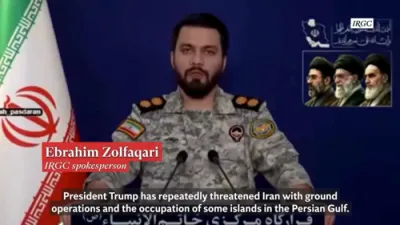
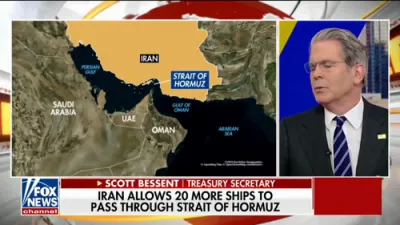
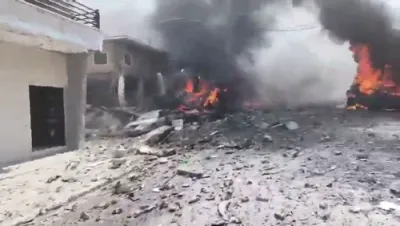
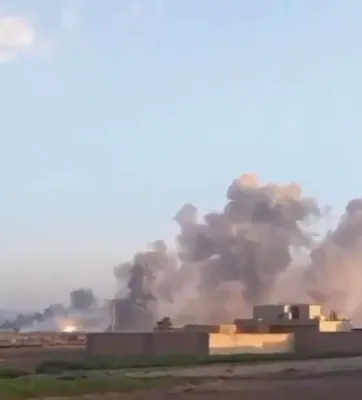
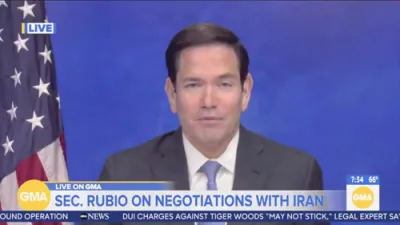
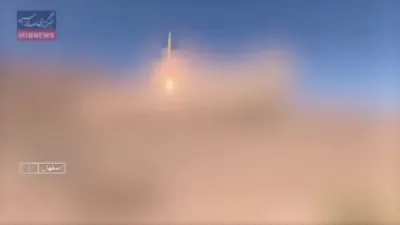
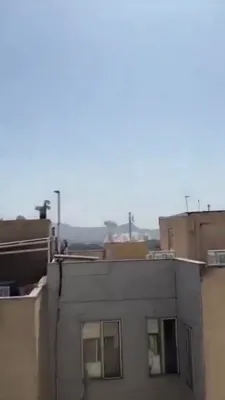
Iran’s foreign ministry has firmly denied any direct negotiations with the United States, with spokesperson Esmaeil Baghaei calling Washington’s demands “excessive, unrealistic and illogical.” The statement, delivered during a press conference, comes amid heightened tensions following a month-long conflict that began on February 28, 2026, with U.S. and Israeli strikes on Iranian targets. Tehran continues to frame its position as one of self-defense, rejecting what it sees as coercive diplomatic pressure.
Iran, however, appears to be maintaining a hardline stance, emphasizing sovereignty and resistance to external pressure. Officials have reiterated that any concessions must align with national interests, while continuing to signal readiness for prolonged confrontation if necessary. Observers suggest that Tehran’s posture is aimed at strengthening its negotiating position while avoiding the appearance of capitulation.
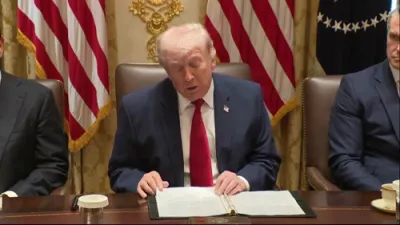
Overall, the conflicting narratives between Washington and Tehran reflect the uncertainty surrounding the next phase of the conflict. While indirect talks may offer a pathway to de-escalation, the continued exchange of threats and denials keeps the situation volatile. The coming days will be critical in determining whether diplomacy can prevail or whether tensions will escalate further in one of the world’s most strategically vital regions.