די לבנון ארמיי ציט זיך צוריק פון די דערפער פון בינט דזשבעיל צוליב א צה"ל אפענסיווע.
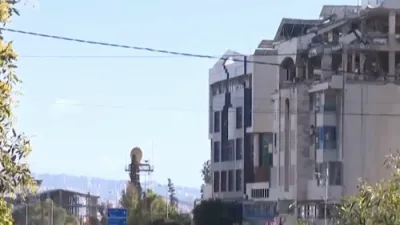
The Lebanese Army announced a withdrawal from positions in Rmeish, Ain Ebel, Kafra, and Debel within the Bint Jbeil district on March 31, 2026. The move coincides with Israel’s ongoing ground operations targeting Hezbollah positions along the southern border. Reports from sources including L'Orient-Le Jour confirm the redeployment of troops, highlighting the army’s decision to reposition forces amid escalating hostilities between Israel and Hezbollah.
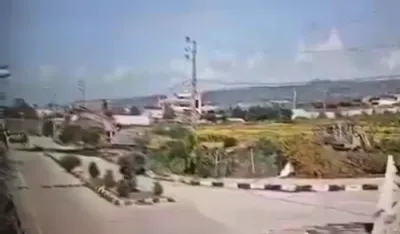
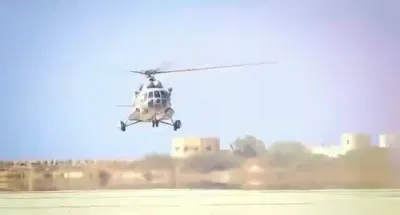
Video accompanying the withdrawal shows Lebanese Army M113 armored personnel carriers, marked as ambulances, moving through streets in southern Lebanon. The use of these vehicles underscores the army’s focus on evacuation and protection rather than direct engagement in the conflict. Observers note that this approach reflects a strategy to minimize risk to personnel while maintaining operational flexibility during regional escalations.
Analysts suggest that the Lebanese Army’s pullback from key border villages may create a temporary security vacuum, potentially facilitating more direct clashes between Israeli forces and Hezbollah units. However, the redeployment also indicates careful management of national forces to avoid entanglement in active combat. The footage of the convoy reinforces the army’s prioritization of safety and controlled movement during periods of heightened tension.
The withdrawal highlights the complex dynamics along the Israel-Lebanon border, where national forces, militant groups, and international actors intersect. By repositioning troops while using non-combat vehicles for movement, the Lebanese Army aims to balance operational prudence with civilian and personnel safety. The decision also signals restraint amid growing military pressure in the Bint Jbeil district.
Overall, the March 31 withdrawal demonstrates a calculated Lebanese Army response to Israel’s ground offensive and Hezbollah’s continued presence in southern Lebanon. The operation emphasizes evacuation and strategic repositioning over direct confrontation, underscoring the challenges of maintaining stability in contested border regions.