פייער אויף א דעלטא ערעפלאן האט געברענגט צו מאכן אן עמערדזשענסי לאנדונג
Delta Air Lines Flight 104, an Airbus A330-300 traveling from São Paulo to Atlanta, safely returned to Guarulhos International Airport on March 30, 2026, after experiencing a left engine failure shortly after takeoff. Passenger-filmed footage captured flames and smoke on the wing, along with audible panic, while pilots followed ETOPS-certified procedures for single-engine operation. The aircraft landed within 10 minutes of departure and was met by airport firefighting crews, ensuring the safety of all 288 passengers and crew on board.
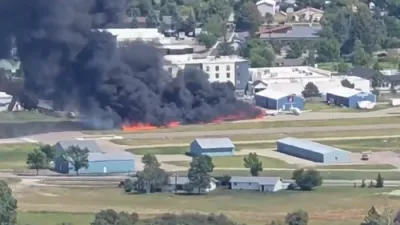
The left engine, a GE CF6-80E1, failed during takeoff, scattering debris that ignited a small grass fire near the runway. Delta officials emphasized that the safety of customers and crew is their highest priority and apologized for delays caused by the incident. Passengers were transported by bus to the terminal after the safe landing, with no injuries reported.
Experts note that twin-engine aircraft like the A330 are designed to maintain climb capability even after an engine failure, a critical safety feature certified under ETOPS regulations. FAA data indicates that engine failures of this type occur in less than 0.01% of flights, highlighting the rarity of such events. The crew’s adherence to emergency procedures demonstrates effective training and aircraft design in action.
Delta’s swift response and coordination with airport emergency teams prevented the situation from escalating. The incident underscores the importance of rigorous maintenance, crew preparedness, and rapid emergency response in commercial aviation. Passengers praised the professionalism of the flight crew during the unexpected event.
Overall, the safe return of Delta Flight 104 illustrates both the reliability of modern twin-engine jets and the effectiveness of airline emergency protocols. While the incident caused disruption, it serves as a reminder of the aviation industry’s stringent safety standards and the ability of trained crews to handle rare but critical in-flight emergencies.