ACADEMIC FREEDOM FIGHT: House Approves Bill Punishing Israel Boycotts
Gallery
Videos
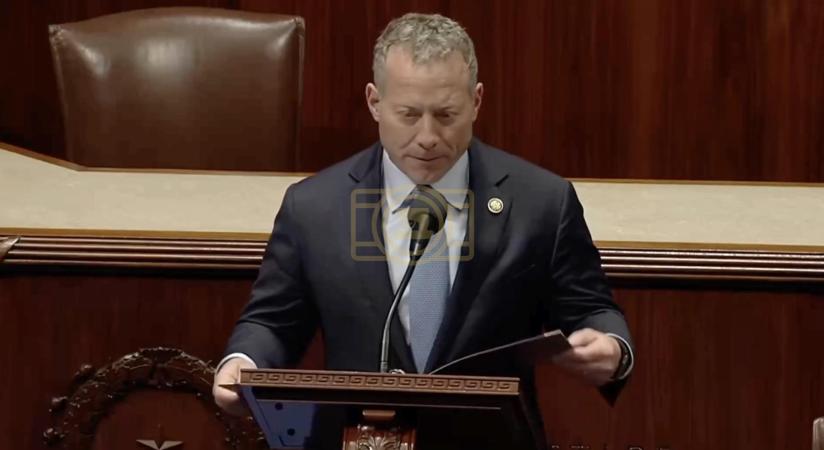
The U.S. House of Representatives has passed a bipartisan bill aimed squarely at the Boycott, Divestment, and Sanctions movement on college campuses, sending a clear signal that federal money and campus boycotts of Israel will not mix. The Protect Economic and Academic Freedom Act, authored by Rep. Josh Gottheimer (D-NJ) and Rep. Virginia Foxx (R-NC), cleared the House by a vote of 237-169 on September 3, 2026. Gottheimer, who has long positioned himself as a leading voice against antisemitism in Congress, called the legislation an important step toward ensuring academic freedom for all students. He said he now plans to push the Senate to take up the bill quickly so it can be signed into law.
At its core, the bill ties federal student aid to a university's conduct when it comes to Israel. Colleges and universities would be required to certify that they are not engaging in what the bill calls a "non-expressive commercial boycott" of Israel, meaning a refusal to deal with or a termination of business ties to Israeli entities that isn't backed by a legitimate business reason. Institutions that fail to make that certification risk losing eligibility for federal student aid programs, including Pell grants and student loans, a consequence the Congressional Budget Office has confirmed carries real financial weight. The legislation also targets academic exchange, requiring schools that receive Title VI international education funding to certify that students and faculty are not unreasonably blocked from participating in academic programs in Israel.
The bill's path to passage wasn't quiet. It was first introduced in July 2025, cleared the House Committee on Education and Workforce by a 24-9 vote in June 2026, and was reported out again by the Rules Committee just days before the floor vote. Along the way, the legislation was amended to fold the boycott prohibition directly into existing program participation agreements, while dropping an earlier requirement that the Department of Education publish a public list of noncompliant schools. Supporters, including Rep. Foxx, have described the bill as a direct response to campaign-style BDS activity they argue functions as antisemitic discrimination disguised as political protest.
Both sponsors have been careful to frame the bill as protecting free expression rather than restricting it, insisting that protected speech and protests on campus remain untouched. Instead, they argue the legislation draws a line specifically around commercial and academic boycotts that they say unfairly target Jewish students, professors, and the broader academic community. With the House vote now behind it, the bill moves to the Senate, where its fate is far less certain given the narrower margins and the political sensitivity surrounding Israel-related legislation. Whether it becomes law will likely hinge on how Senate leadership chooses to handle a bill that touches on campus politics, foreign policy, and antisemitism all at once.