LEBANON STRIKES: Israel Pounds Hezbollah Targets After Explosive Drone Attack

Gallery
Videos
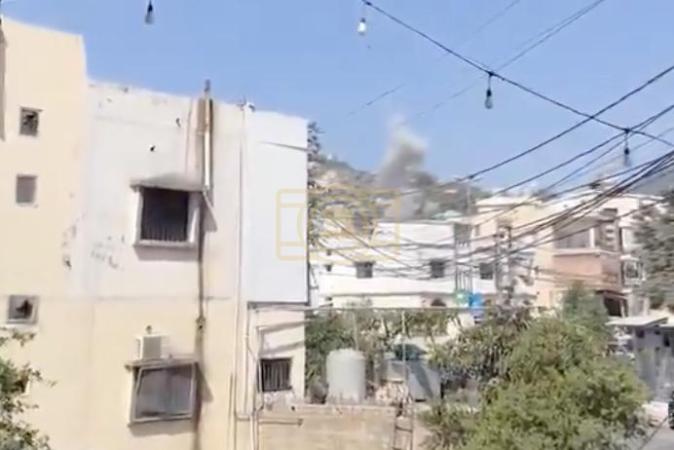
Israeli forces carried out a series of airstrikes across southern Lebanon after Hezbollah launched two explosive drones at troops operating near the Ali al-Taher ridge. The IDF confirmed the drone attack targeted soldiers in the area, prompting a rapid military response. Lebanese media quickly reported multiple impacts in the region as the strikes unfolded. The operation focused on Hezbollah-linked sites and marked another sharp exchange along the volatile border. Officials described the action as a direct reply to the overnight provocation.
The strikes concentrated on the Nabatieh area, according to reports from Channel 12 and local Lebanese outlets. These locations have repeatedly featured in previous rounds of cross-border fighting due to the presence of Hezbollah infrastructure. The timing of the Israeli response, coming shortly after the drone launches, signaled a clear intent to deter further attacks on troops. Residents in southern Lebanon reported hearing loud explosions and seeing smoke rise from the targeted zones. The intensity of the strikes reflected the seriousness with which the IDF viewed the use of explosive drones against its forces.
Hezbollah’s decision to launch the drones at soldiers near the Ali al-Taher ridge escalated tensions that have lingered despite earlier efforts to maintain calm. The ridge itself has been a flashpoint, with both sides contesting control and presence in the surrounding terrain. By choosing to respond with airstrikes rather than limited ground action, Israel aimed to degrade Hezbollah capabilities while avoiding deeper entanglement. The use of explosive drones represents a persistent threat that the IDF has sought to counter through both defensive measures and offensive retaliation. This latest incident fits a pattern of limited but forceful exchanges.
Lebanese media coverage emphasized the scale of the Israeli operation and the impact on areas around Nabatieh. Multiple strikes suggested a coordinated effort rather than a single symbolic hit. Channel 12’s reporting aligned with the IDF’s account that the drones were launched overnight and that the subsequent airstrikes were conducted in response. The convergence of Israeli and Lebanese sources on the basic sequence of events lends clarity to what occurred. Still, the full extent of damage to Hezbollah targets remains subject to further assessment.
The exchange once again highlights the fragile nature of security along the Lebanon-Israel frontier. Troops operating near the ridge faced an immediate aerial threat, and the IDF’s reply demonstrated readiness to answer such attacks with force. For communities on both sides of the border, the sound of drones and the roar of jets serve as reminders of how quickly relative quiet can shatter. Military planners continue to watch for signs of further escalation or additional drone activity. The strikes on Nabatieh stand as the latest chapter in a long-running contest of action and reaction.
As the immediate aftermath settles, attention turns to whether this round of violence will remain contained or spark additional responses. The IDF’s public linkage of the airstrikes to the drone attack leaves little ambiguity about its justification. Hezbollah, for its part, rarely allows such incidents to pass without comment or further activity. In the meantime, the people of southern Lebanon absorb another night of uncertainty while soldiers on the ridge remain on high alert. The cycle of drone launches and retaliatory strikes continues to define the uneasy reality along the border.