HAMAS TERRORIST CAPTURED: Katz Says Israel Will Remain In Gaza Until Hamas Is Disarmed
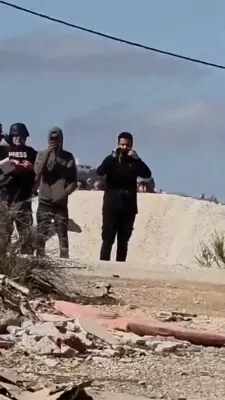
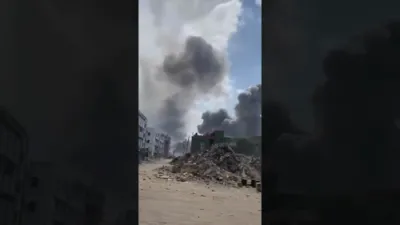
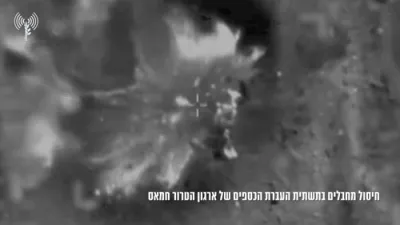
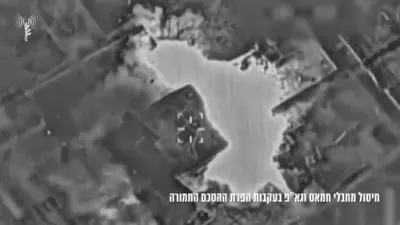
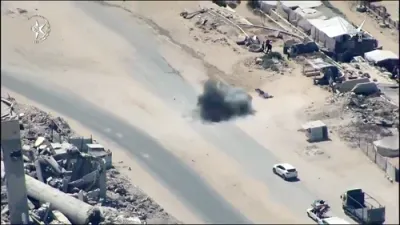
Israeli Defense Minister Israel Katz confirmed Tuesday that a senior Hamas operative had been captured inside Gaza, tying the arrest to what he described as a coordinated operation between the IDF and an anti-Hamas militia operating in Gaza City. Katz framed the capture as a direct example of Israel's broader approach to the conflict, one built on pursuing Hamas fighters proactively rather than waiting for attacks to happen. He emphasized that Israel has established what he called an unprecedented security zone across parts of Gaza, designed specifically to protect both Palestinian residents and Israeli soldiers operating in the territory. The announcement came amid reports of heavy gunfire and exchanges in western Gaza City, suggesting the operation itself was far from clean or quiet.
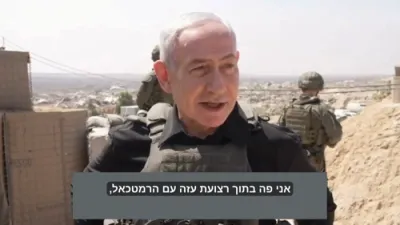
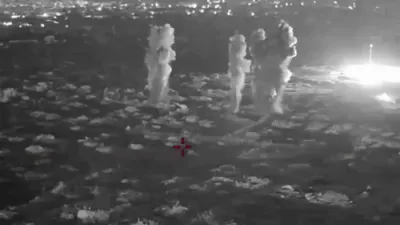
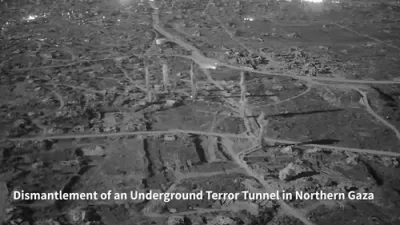
Beyond confirming the capture, Katz used the moment to lay out a far more sweeping commitment about Israel's long-term intentions in Gaza. He stated plainly that Israeli forces will not withdraw from the territory until three conditions are met: the Strip is fully demilitarized, Hamas is disarmed, and every terror tunnel beneath Gaza has been located and destroyed. That alone represents a massive undertaking given the scale and depth of Hamas's tunnel network, built up over years and widely regarded as one of the most complex underground militant infrastructures in the world. Katz didn't offer a timeline for when those benchmarks might realistically be reached, leaving the scope of Israel's presence in Gaza open-ended for now.
What stood out most in Katz's remarks was what comes after those conditions are supposedly satisfied. Rather than signaling a full Israeli exit once Hamas is disarmed and the tunnels are gone, Katz said the IDF intends to remain in Gaza on defensive lines even after that point. He framed this continued presence as necessary to guarantee the ongoing security of communities in the western Negev, the Israeli towns and villages that have lived under the direct threat of Gaza-based attacks for years, including the October 7 assault that triggered the current war. In effect, Katz described a vision where Israeli military disengagement from active combat operations doesn't necessarily mean a return to the pre-war status quo along the border.
The timing of Katz's comments, delivered alongside confirmation of a significant tactical success, appears designed to reinforce both messages at once: that Israel's military operations inside Gaza are continuing to yield real results, and that the broader strategic goals driving the war remain firmly in place regardless of any single capture or setback. For residents on both sides of the border, the statement leaves little ambiguity about how long Israel expects its military footprint in Gaza to last. Whatever comes next in the war, Katz's framing suggests that a full Israeli withdrawal is not on the table anytime soon, and that the defensive lines he described could become a lasting feature of the region's future rather than a temporary wartime measure.