CABLE DRONE THREAT: Houthis Deploy Fiber-Optic FPV Strikes to Bypass Jamming
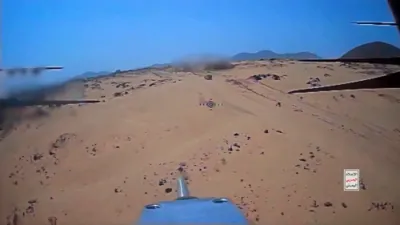
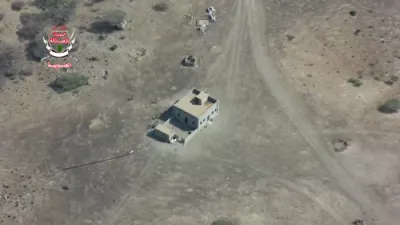
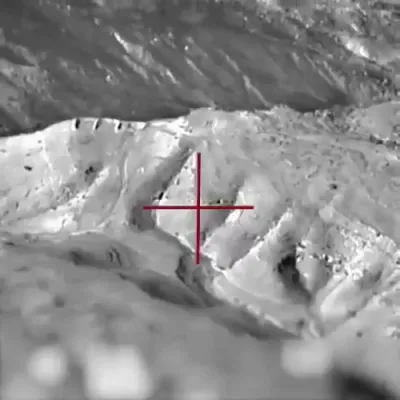
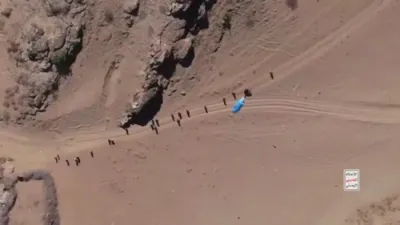
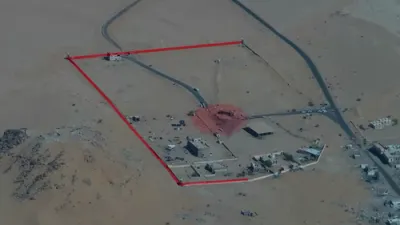
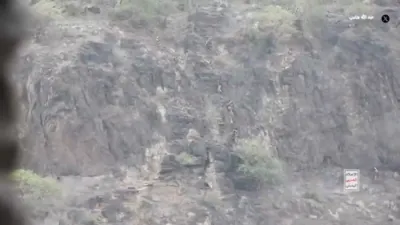
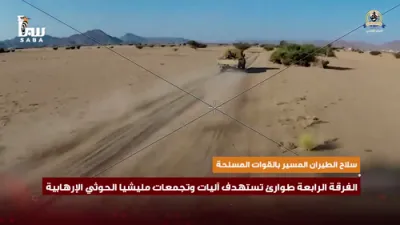
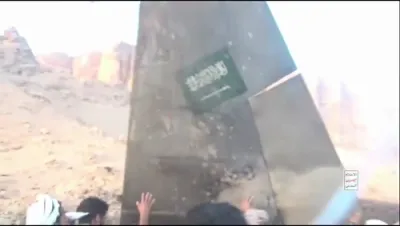
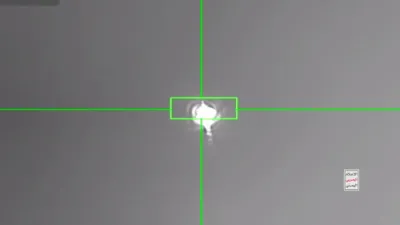
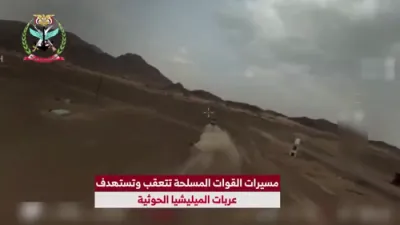
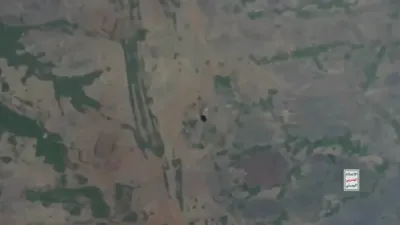
Houthi military media has released video footage appearing to show first-person-view drone strikes on vehicles and personnel in desert terrain, complete with targeting overlays, slow-motion impacts, and red arrows marking the targets. The clips suggest the group is now employing fiber-optic FPV drones, a technology they reportedly adopted around August 2026. Saudi-backed forces recovered the first intact example of one of these systems on Yemen’s Marib front earlier this year. These drones rely on a physical cable that provides jam-resistant video feed and control signals, allowing them to operate in environments where traditional radio-controlled systems can be disrupted. The capability is described as having spread from the Ukraine conflict through Iran-backed networks. Its appearance in Yemen mirrors similar use by Hezbollah and points to a rising tactical drone challenge in the ongoing civil war.
The introduction of these cable-linked systems marks a noticeable shift in how the Houthis approach electronic warfare defenses on the battlefield. By using a physical connection rather than radio signals, the drones can maintain guidance even when jamming is present, according to accounts tied to the recovered example. The released footage highlights strikes against both vehicles and personnel under desert conditions, underscoring the potential for more precise and resilient attacks. This development comes amid the broader intensification of fighting across multiple fronts in Yemen. Analysts tracking the conflict note that such technology transfers raise the stakes for ground forces relying on electronic countermeasures. The combination of recovered hardware evidence and the new video releases has drawn attention to the evolving nature of low-cost aerial threats in the region.