Yemen Factions Release Drone Strike Footage and Seizure Details
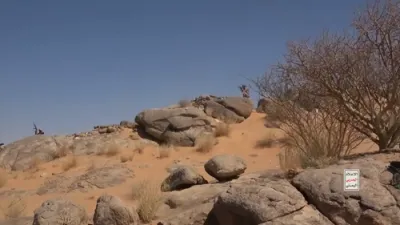
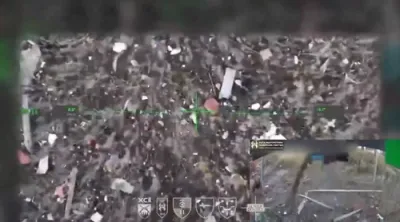
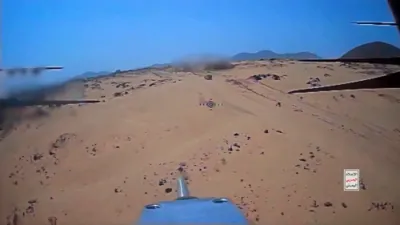
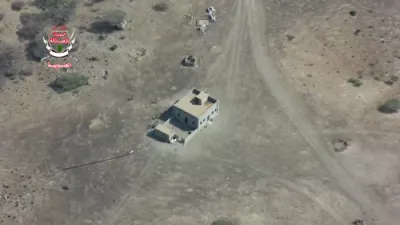
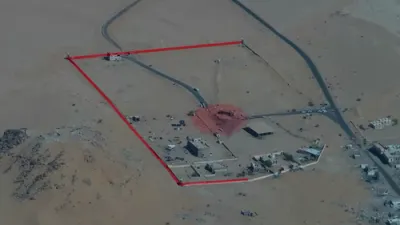
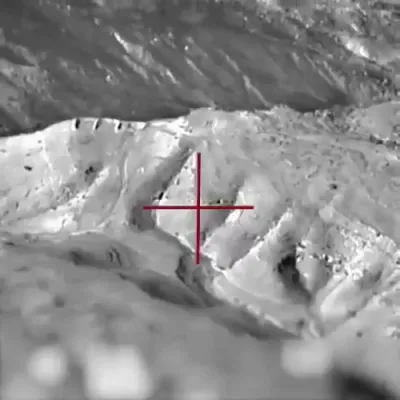
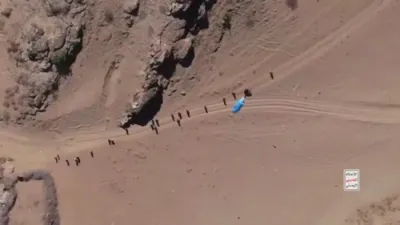
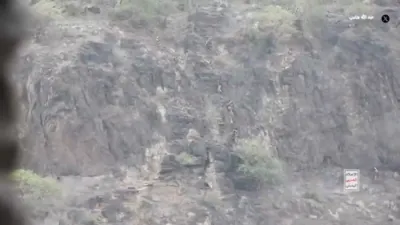
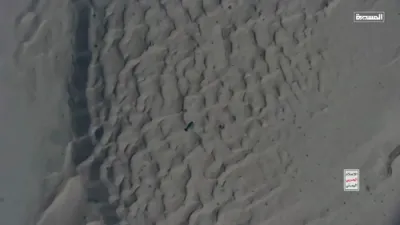
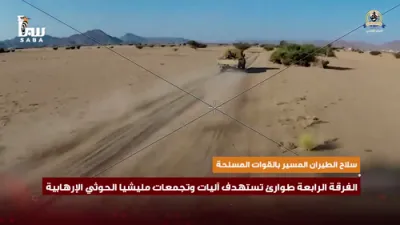
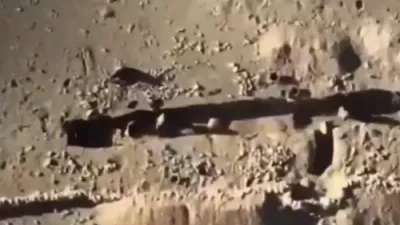
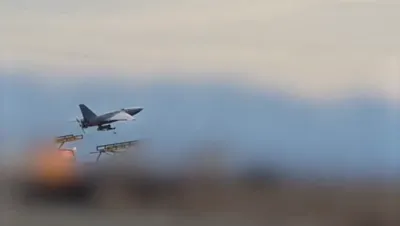
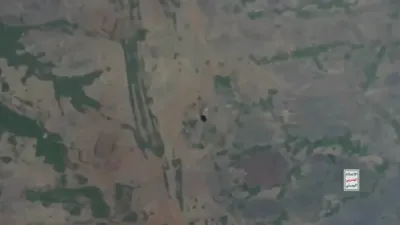
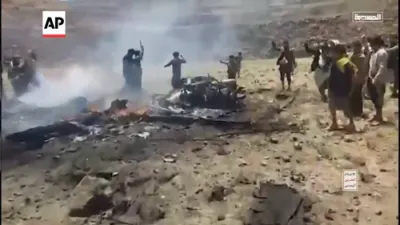
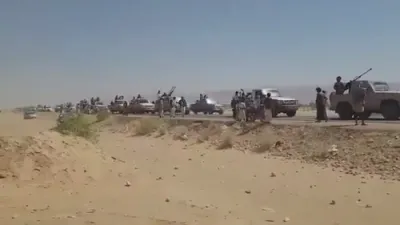
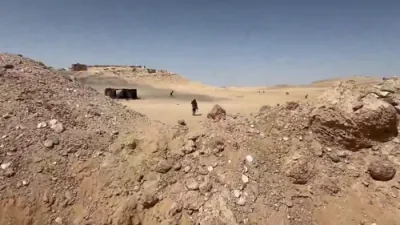
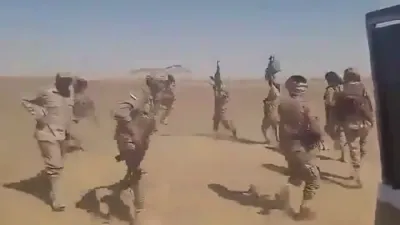
Yemen's Houthi movement, known as Ansarallah, reportedly released a roughly 10-minute video compilation on August 30 showing hexacopter drones it calls "Rajoum" dropping munitions on what the group describes as Saudi-backed troop gatherings and vehicles in desert terrain. The footage reportedly includes visible explosions and shots of damaged equipment, presented by the Houthis as evidence of successful strikes against opposing forces. Claims like these are difficult to verify independently, and footage released by combatants in Yemen's civil war has frequently been contested by rival factions, so the specific targets, casualties, and outcomes described in the video should be treated as one side's account rather than confirmed fact. Still, the release fits a pattern that has defined the conflict for years: both sides using drone footage as a propaganda and messaging tool as much as a battlefield report.
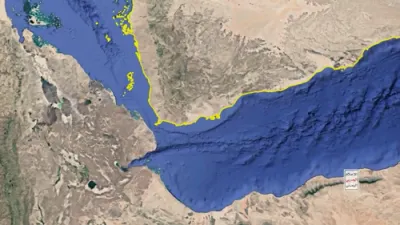
On the same day, in a separate development, Yemen's National Resistance Forces reportedly announced the interception of a dhow carrying Iranian-made components, including electronics, control systems, and communication gear, allegedly bound for Houthi-controlled areas. The claim was attributed to National Resistance spokesperson Maj. Gen. Sadeq Dowaid, whose forces have a track record of publicizing similar interdictions, including a large seizure of Iranian-linked drone components in late August and a record haul of over 750 tons of Iranian munitions the previous year, both confirmed at the time by U.S. Central Command. Dowaid has previously stated that part of his forces' arsenal comes from equipment seized during these anti-smuggling operations along Yemen's western coast. As with the drone footage, the specifics of this latest seizure have not yet been independently verified by outside observers, though the described pattern, small vessels moving Iranian components toward Houthi territory, matches years of documented smuggling routes through the Red Sea and Gulf of Aden.
Together, these two reported events reflect how deeply drones and maritime smuggling have reshaped Yemen's war. The Houthis have built a domestic drone and missile program that Western analysts say still depends heavily on Iranian-supplied components, funneled in through a mix of land routes across al-Mahra governorate and sea routes exploiting weak enforcement along the coast. Meanwhile, forces aligned with Yemen's internationally recognized government, like the National Resistance, have leaned on interdictions as both a military and public relations strategy, using each seizure to reinforce the argument that Iran remains the primary driver of the conflict's持续 escalation. Both sides accuse each other of prolonging the war, and neither side's public statements are typically treated as neutral or complete accounts of events on the ground.
What's clear is that Yemen's civil war, more than a decade old, shows no sign of slowing down, with drone technology increasingly central to how it's fought and reported. Whether the footage and seizure described on August 30 hold up under independent scrutiny remains to be seen, and outlets covering the story should treat both claims with appropriate caution until corroborated by neutral sources such as CENTCOM, the United Nations, or independent journalists on the ground. What has consistently held true across past incidents is that Iranian-origin technology continues to surface on both fronts of this conflict, in strike videos and in seized cargo alike, keeping the accusations, and the fighting, very much alive.