העגסעט זאגט אז אמעריקע גרייט צו די מערסט מאדערענע נוקלעאר
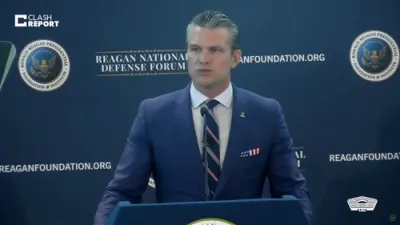
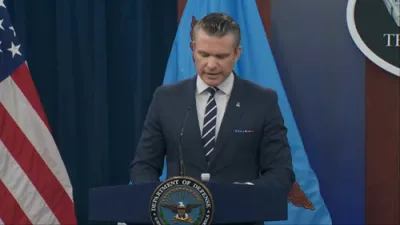
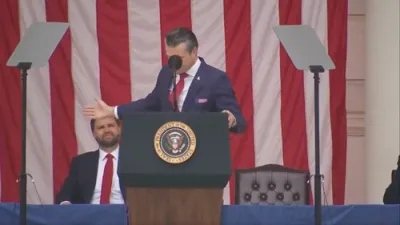
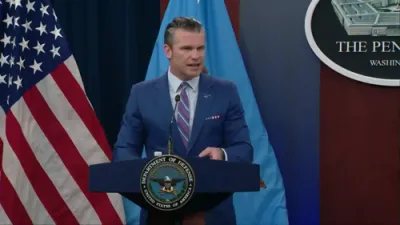
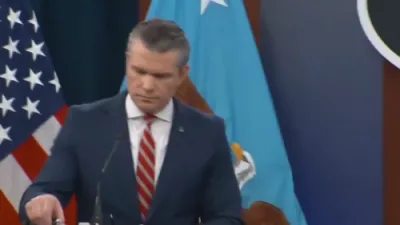
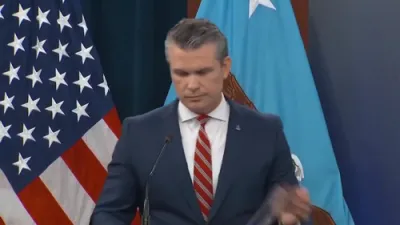
U.S. Secretary of War Pete Hegseth delivered one of the most consequential national security addresses of the Trump Administration at the Reagan National Defense Forum on December 6, 2025, declaring that the United States will fully modernize its nuclear triad and restore long-dormant testing capabilities to ensure America can never be coerced or blackmailed by hostile nuclear powers. His remarks marked a decisive shift toward strategic parity and deterrence, reflecting a doctrine built on strength, readiness, and technological superiority.
“We will modernize our nation’s nuclear triad,” Hegseth said, outlining an unequivocal commitment to upgrading America’s three pillars of nuclear defense: intercontinental ballistic missiles, submarine-launched ballistic missiles, and strategic bombers. He warned that America must never again allow itself to fall behind adversaries that are rapidly expanding and refining their own nuclear arsenals. “We will never allow this nation to be left vulnerable to nuclear blackmail,” he added, signaling a refusal to tolerate any form of strategic intimidation from Russia, China, or emerging nuclear actors.
Hegseth also announced a controversial but strategically significant policy shift: the United States will resume nuclear weapons testing and the testing of nuclear delivery systems on “an equal basis as others.” The United States has not conducted a nuclear test since 1992, operating under a voluntary moratorium and abiding by the standards of the Comprehensive Nuclear-Test-Ban Treaty, which it signed but never ratified. Hegseth’s stance suggests the Trump Administration is prepared to withdraw from or disregard the CTBT if doing so is necessary to maintain technological credibility and match the testing activities of nations that have conducted more than 2,000 nuclear detonations combined since America’s last test.
This pledge aligns with existing modernization programs, including the $141 billion Sentinel ICBM replacement, the Columbia-class ballistic missile submarine program, and the continued deployment of advanced B-21 Raider strategic bombers. But Hegseth’s insistence on restoring testing capabilities goes further—asserting that America must validate its systems, refine warhead designs, and demonstrate real-world reliability as rivals push forward with new technologies such as hypersonic delivery platforms and tactical nuclear doctrines.
The speech reflects a strategic reset: deterrence through undeniable capability, backed by the willingness to act. Hegseth framed the policy as essential not only for U.S. security but for global stability. By ensuring America’s nuclear forces remain unmatched, the administration argues that conflict becomes less likely, not more—because adversaries understand they cannot win, intimidate, or force concessions.
Hegseth’s remarks reinforce a core theme of President Trump’s defense posture: peace is achieved through overwhelming strength, not through self-imposed limits. By committing to nuclear modernization and testing, the administration is positioning the United States to counter 21st-century threats with confidence, clarity, and unrivaled power.