פרעזידענט טראמפ בארימט זיך אז אמעריקאנער כוחות האבן צעשטערט די סאמאלישע פיראטן געפאר.
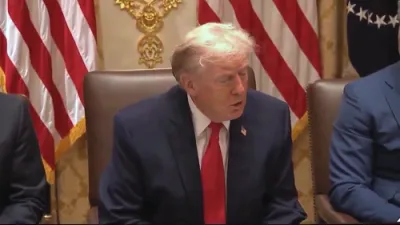
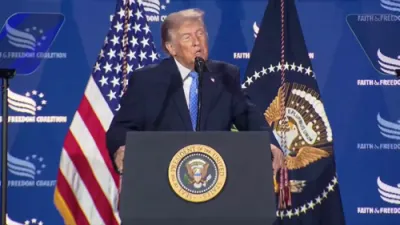
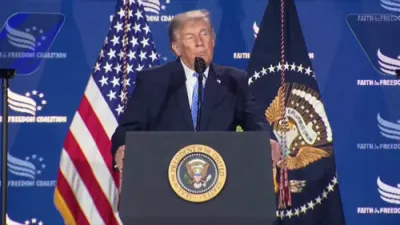
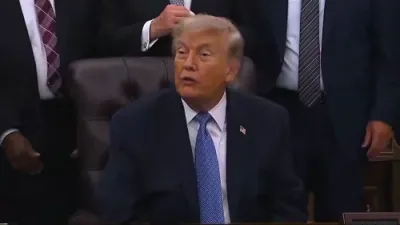
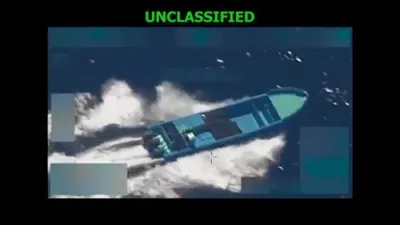
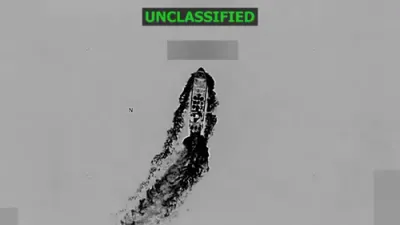
President Donald Trump addressed Somali piracy during a January 2026 press conference, claiming that U.S. military action has “essentially stopped” attacks on international shipping routes. Speaking with his characteristic blend of forceful rhetoric and dark humor, Trump asserted that Somali pirates now understand that any hostile move toward a ship will be met with “the ultimate treatment” and warned that their options are limited—“probably not going to be to Heaven.”
Trump’s remarks come in the context of a resurgence in piracy off the Somali coast during 2025, when 29 incidents were reported in African waters, up from 26 in 2024, including two far-offshore attacks in November, according to the International Maritime Bureau. While the numbers suggest the threat has not fully disappeared, the president emphasized deterrence as a key strategy, highlighting U.S. missile strikes and increased naval patrols as measures that have forced pirates to reconsider their operations.
At the press conference, Trump framed the response as part of a broader commitment to protecting American commerce and global maritime trade. He credited the U.S. Navy and allied forces with executing precision strikes against pirate strongholds, suggesting that the combination of military reach and psychological deterrence has significantly reduced the likelihood of successful attacks.
Critics have questioned whether piracy is “essentially stopped,” citing ongoing sporadic incidents and warning that pirate networks remain resilient. Nevertheless, supporters of Trump argue that his assertive stance and willingness to use lethal force mark a decisive shift from previous administrations’ more cautious engagement, signaling that threats to American shipping will be met with serious consequences.
Trump’s colorful phrasing—“they will go to wherever they want to go—but it’s probably not going to be to Heaven”—underscores his reputation for blending humor with hardline policy messaging. The statement has drawn attention internationally, highlighting both U.S. resolve and the ongoing challenges of policing critical sea lanes against organized maritime crime.