אנטי-ICE פראטעסטירער האבן אויפגעשטעלט א אומלעגאלע וועג-בלאקן אין מיניאפעליס.
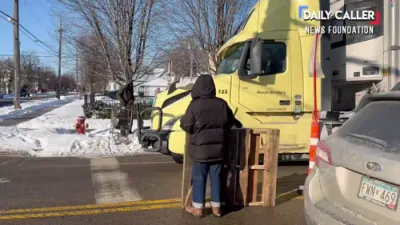
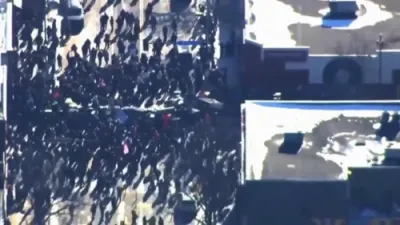
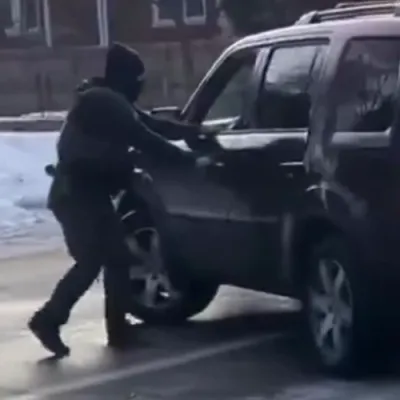
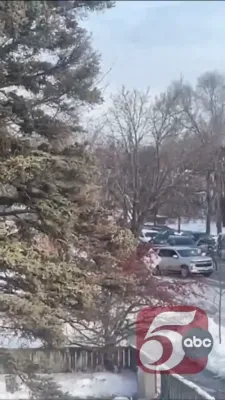
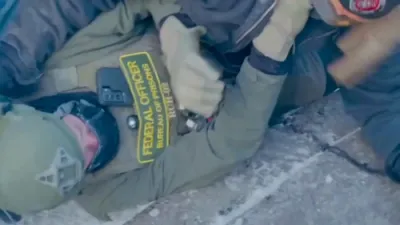
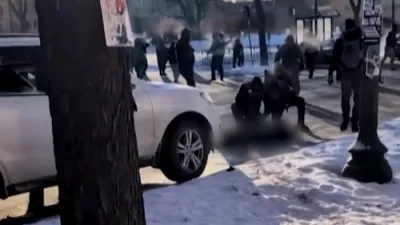
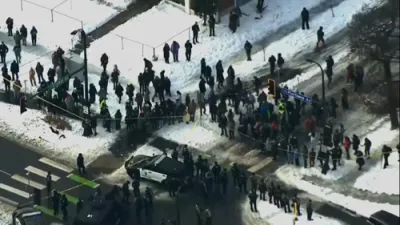
Masked anti-ICE protesters erected makeshift roadblocks on streets in south Minneapolis over the weekend, stopping vehicles and demanding identification from drivers in an effort organizers described as community “safety measures” against federal immigration enforcement. Videos circulating online show barricades made from furniture, traffic cones, and other objects blocking traffic on stretches such as 32nd to 34th Streets near Cedar Avenue, with activists checking license plates and attempting to run them against informal databases to identify suspected Immigration and Customs Enforcement vehicles.
Footage from the Daily Caller News Foundation and other independent reporters shows demonstrators engaging drivers, questioning some about their affiliations and challenging a reporter covering the blockade, at times becoming confrontational with cameras and phones. In one clip, an activist pushes a reporter and attempts to seize his phone while others continue blocking or redirecting passing cars.
Minneapolis police have been visibly present in some areas but have at times not forcibly removed the barricades, prompting criticism from residents and observers who say blocking public roadways poses safety risks for emergency vehicles and bystanders. Authorities have warned that informal blockades and stopping motorists on public streets without legal authority create hazards and potential liabilities for protesters and the city.
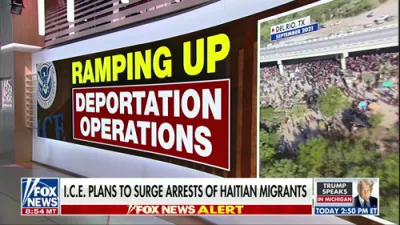
Residents in and around Minneapolis have expressed divergent views about the tension. Some support strong enforcement against drug trafficking and other crimes, while others have criticized federal immigration operations that have ramped up recently under a broader national enforcement campaign, which has included high-profile incidents such as fatal shootings during immigration actions.
These roadblocks are part of a larger pattern of protests and resistance in Minnesota this year, where demonstrators have clashed with counter-protesters, organized marches, and marched in opposition to U.S. Immigration and Customs Enforcement’s presence within the city. The escalation reflects broader national debates over immigration policy, civil liberties, and public safety as local communities grapple with the tension between enforcing federal law and maintaining public order.