סענאטאר לינדזי גרעהעם פארטיידיגט ICE
Senator Lindsey Graham issued a forceful defense of Immigration and Customs Enforcement (ICE), Border Patrol, and other federal law enforcement officers on January 30, 2026, amid intense national scrutiny following a controversial federal operation in Minneapolis. The South Carolina Republican criticized what he described as unjust attacks on front-line agents, saying that ICE and Border Patrol personnel “have been slandered and smeared,” and challenged fellow Republican leaders to stand up in their defense.
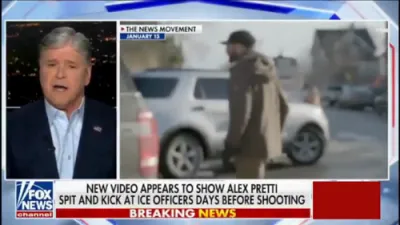
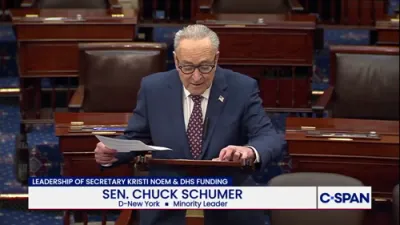
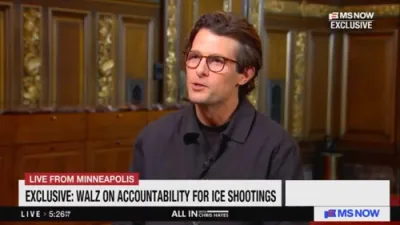
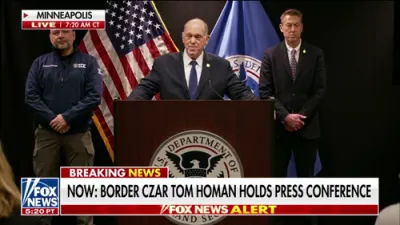
Graham’s comments came against the backdrop of sustained criticism of federal immigration enforcement after a deadly Minneapolis raid in which at least one U.S. citizen was killed, and protests erupted nationwide. Democrats responded by threatening to block Department of Homeland Security funding unless significant changes to ICE’s practices are enacted, intensifying partisan tensions around immigration policy and federal authority.
In his remarks, Graham acknowledged that some reforms to ICE operations “make sense,” but he rejected what he characterized as rhetorical excess and partisan attacks that unfairly portray agents as villains. He said Republicans have been slow to defend the law enforcement community, urging GOP leadership to step forward and support personnel tasked with enforcing U.S. laws.
The context for Graham’s defense includes a broader political struggle over recent DHS funding negotiations, where Democrats have linked appropriations to new limits on ICE powers following public backlash. Senate Republicans, meanwhile, have been divided: some support the administration’s tougher enforcement agenda, while others call for investigations and improved oversight to address concerns about use of force and civil liberties.
The Minneapolis operation and its aftermath have sharpened debates over immigration enforcement, sanctuary policies, and federal-local relations. While federal officials defend their actions as lawful and necessary to address criminal activity, critics — including state leaders and civil liberties advocates — argue that the tactics used have overstepped and provoked unnecessary violence. In this climate, Graham’s plea for Republican solidarity reflects broader pressures within the GOP as lawmakers navigate competing demands to uphold law and order, protect civil rights, and articulate a compelling policy stance ahead of the 2026 elections.