יו ען רייניגט עזה נאך די מלחמה
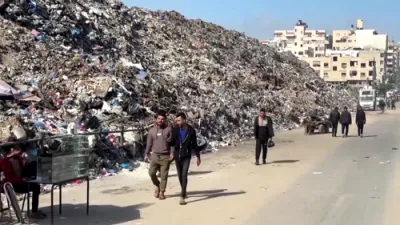
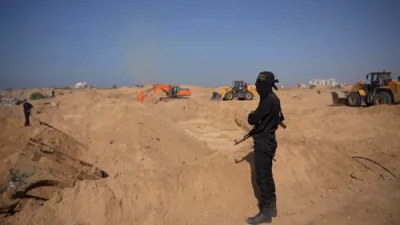
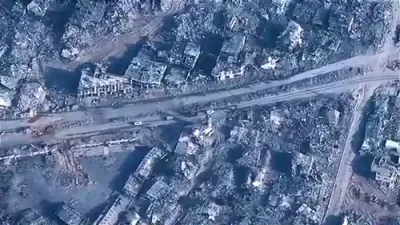
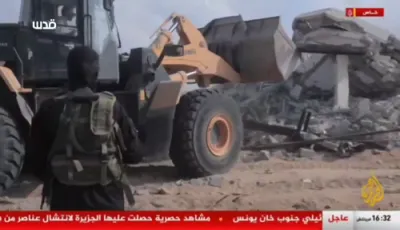
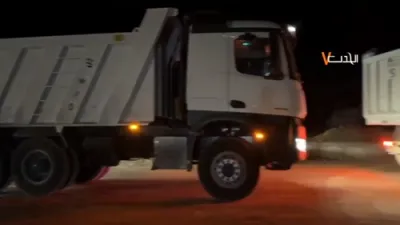
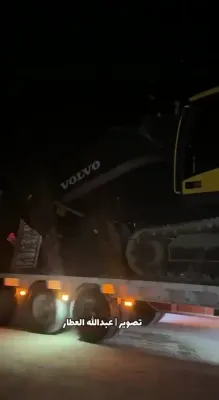
The United Nations Development Programme (UNDP) has begun a large-scale cleanup operation in Gaza City, targeting the enormous accumulation of garbage and rubble left behind after more than two years of war. Bulldozers and heavy equipment moved into the historic Fras Market district on February 12, 2026, initiating what officials describe as one of the most urgent public health interventions in the territory since the conflict began in October 2023.
According to UNDP figures, more than 10 million cubic meters of waste have accumulated across Gaza during the war, with a single mound in the Fras Market area alone estimated at approximately 350,000 cubic meters. The district, once a bustling commercial hub serving around 600,000 residents, has been buried under refuse, creating severe sanitation hazards. Rotting waste has attracted insects, rodents, and disease vectors, raising the risk of outbreaks in densely populated neighborhoods already struggling with damaged infrastructure.
Waste removal efforts were severely constrained during the height of hostilities, particularly as access to key landfill sites such as Juhr al-Dik—located in areas under Israeli control—became restricted. With municipal systems disrupted and fuel supplies limited, garbage accumulated in streets and open areas, turning large portions of urban Gaza into environmental and health emergencies.
UNDP reports that more than 570,000 tons of waste have already been cleared across Gaza since the conflict began, but the current operation marks a more concentrated push. The six-month cleanup plan includes transferring debris and refuse to a newly designated 75,000-square-meter temporary disposal site south of Gaza City. The initiative is supported by European Union funding and coordinated with local authorities to stabilize sanitation conditions and prevent further deterioration.
Despite the scale of the effort, the broader situation remains complex. Approximately 56 accessible dumpsites still require systematic management, and long-term reconstruction will depend on sustained access, funding, and political stability. Humanitarian agencies emphasize that waste removal is not merely cosmetic; it is essential to restoring livable conditions, reopening commercial districts, and reducing public health threats.
The visible presence of heavy machinery in Gaza City represents one of the clearest symbols of post-ceasefire recovery efforts. For residents, the removal of towering garbage mounds offers a tangible sign of incremental progress after prolonged devastation.
At the same time, the underlying political and security dynamics that contributed to the destruction remain unresolved. While bulldozers can clear debris and sanitation teams can reduce immediate health risks, the broader challenge of rebuilding governance, stability, and economic life in Gaza continues to loom over recovery efforts.
The UNDP operation marks a critical first step in addressing urgent humanitarian needs. Whether it becomes the foundation for lasting reconstruction will depend on sustained coordination among international donors, regional actors, and local authorities in the months ahead.