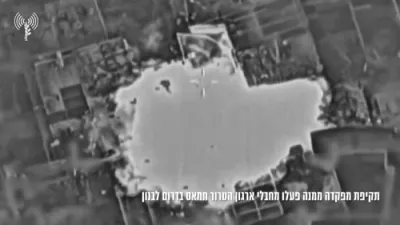
צה"ל אטאקירט חמאס קאמאנד צענטער אין לבנון לאגער.
The Israel Defense Forces announced that it carried out a targeted airstrike on February 20, 2026, against what it identified as a Hamas command and training center in the Ain al-Hilweh area of southern Lebanon. According to Israeli military officials, the site was used to plan attacks against Israel and was embedded within a densely populated civilian zone, a situation the IDF said violated existing Israel-Lebanon understandings regarding militant activity near the border.
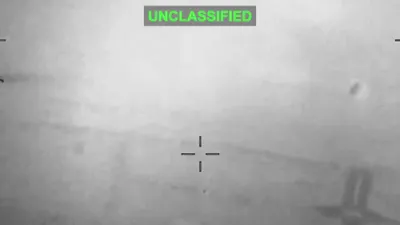
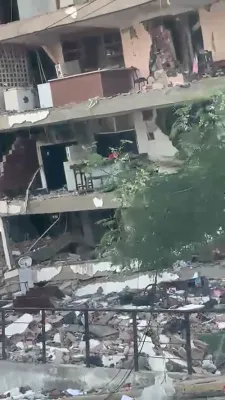
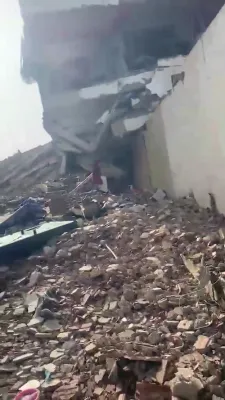
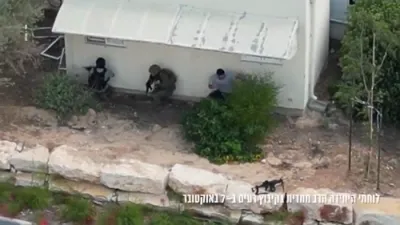
Drone footage released following the operation shows a precision strike and a resulting explosion within the built-up camp. Reports from the area indicate at least two fatalities, including individuals identified as Hamas members, while broader Israeli operations across Lebanon that day reportedly resulted in a total of 12 deaths. The IDF emphasized that it will continue acting against Hamas infrastructure wherever it emerges, including outside Gaza, as part of its ongoing campaign to prevent cross-border attacks.
Ain al-Hilweh is the largest Palestinian refugee camp in Lebanon, home to more than 80,000 residents. The camp has long been characterized by limited Lebanese state control, allowing various armed groups, including Hamas, to establish a presence. Israeli officials argue that this environment has enabled militant planning and coordination directed at Israeli territory, increasing the risk of escalation along the northern front.
Hamas condemned the strike, describing it as a “crime” against civilians and denying that the targeted location had any military function. Israeli authorities, however, maintain that the use of civilian areas for command and training purposes constitutes a deliberate tactic that endangers noncombatants and violates international norms.
The incident underscores the growing concern in Israel over Hamas activity beyond Gaza and highlights the broader regional dimension of the conflict. Israeli leaders have reiterated that they will not allow terrorist organizations to entrench themselves in neighboring countries and use those areas as launch points for attacks, signaling a continued willingness to conduct preemptive operations to neutralize emerging threats.