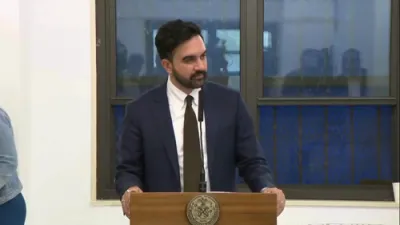
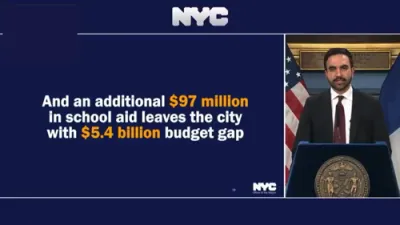
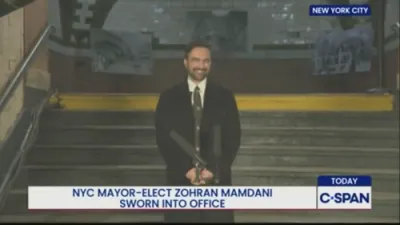
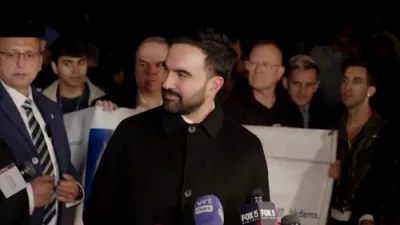
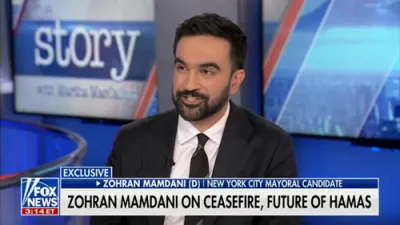
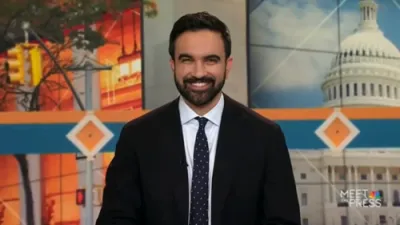
מאמדאני רעדט איבער די שניי ווארפן וואס האט פארוואונדעט פאליציי
New York City Mayor Zohran Mamdani stated he will not pursue a ban on snowball fights or organized snowball gatherings following a chaotic blizzard-day incident in Washington Square Park that left several NYPD officers injured and prompted assault investigations. The event, initially described by the mayor as a “friendly” winter activity, escalated into what police officials characterized as a disorderly and dangerous confrontation involving hundreds of participants throwing packed snow and ice at officers and passing vehicles.
Law enforcement accounts and video footage indicate that officers responding to crowd control duties were repeatedly struck by hardened snow projectiles while attempting to manage traffic flow and ensure public safety during hazardous weather conditions. The situation created significant risks not only for police personnel but also for motorists navigating snow-covered streets with limited visibility and reduced braking capacity. Investigators are now reviewing recordings and witness statements to identify individuals responsible for targeted assaults on uniformed officers.
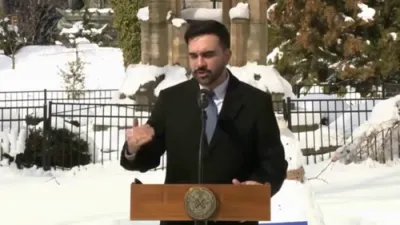
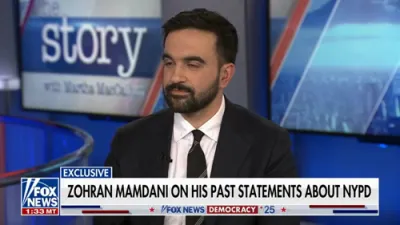
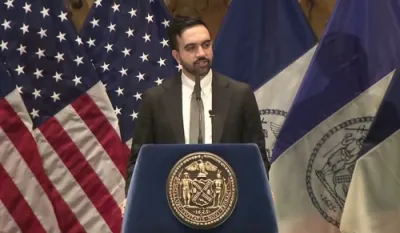
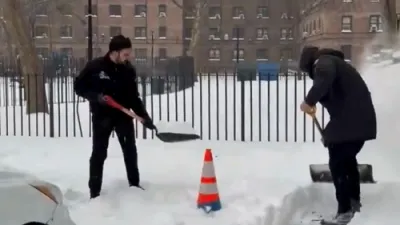
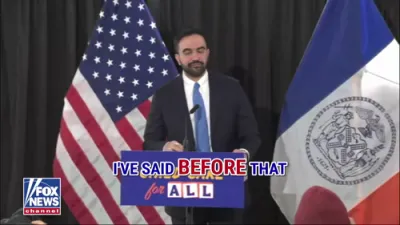
During a press exchange, Mamdani declined to revise his earlier characterization of the gathering and reaffirmed his opposition to banning such events, emphasizing his broader appreciation for city workers’ efforts during the winter storm response, including sanitation crews and the NYPD. His remarks drew contrast with statements from Police Commissioner Jessica Tisch, who described the behavior as “disgraceful” and underscored the department’s commitment to pursuing charges where evidence supports criminal conduct.
The episode has intensified debate over public order, accountability, and the appropriate boundaries between spontaneous public celebrations and unlawful behavior. Supporters of stricter enforcement argue that organized crowd events, particularly those coordinated through social media, can rapidly exceed safe capacity and create conditions that endanger first responders and civilians. They contend that clearer permitting requirements and dispersal protocols are necessary to prevent similar incidents.
Opponents of new restrictions maintain that snowball fights are a longstanding winter tradition and that isolated misconduct should be addressed through targeted enforcement rather than broad prohibitions. They caution that blanket bans could be difficult to implement and risk penalizing lawful public activity.
From a municipal governance perspective, the incident highlights ongoing challenges in balancing civil liberties, public safety, and resource allocation during extreme weather events. Crowd dynamics, limited mobility for emergency vehicles, and reduced visibility complicate policing efforts and increase the potential for rapid escalation when large gatherings form in confined urban spaces.
As assault probes continue, the focus will shift to whether existing public safety statutes and disorderly conduct laws provide sufficient tools to deter similar behavior or whether policy adjustments are warranted. The outcome of these investigations, along with any prosecutorial decisions, will likely shape future guidance on large-scale public gatherings during severe weather conditions.
The Washington Square Park confrontation illustrates how quickly a recreational activity can evolve into a public safety concern when crowd size, environmental hazards, and targeted aggression converge. City leadership now faces the task of reinforcing respect for first responders while maintaining public confidence in fair and consistent enforcement of the law.