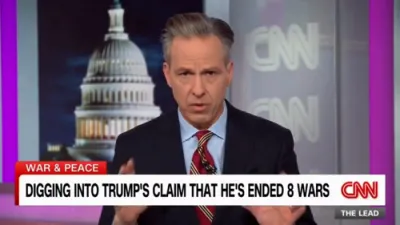
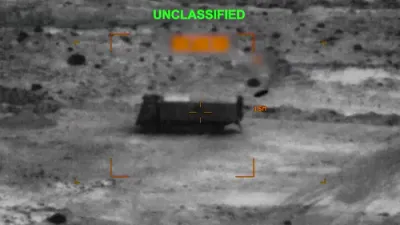
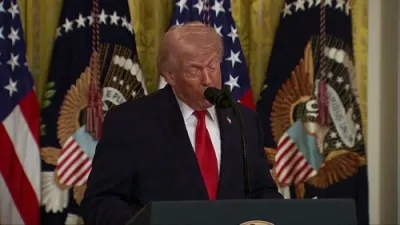
סי ען ען דעבאטירטצי טראמפ האט טאקע אינגאנצן געענדיגט אכט מלחמות איבער די וועלט
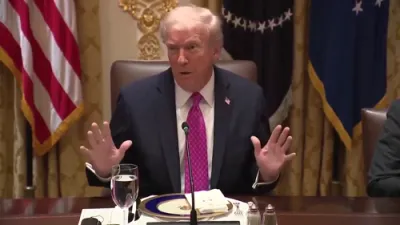
President Donald Trump has recently drawn attention for claiming that he ended eight wars during his first year in office. While this assertion has sparked debate, a closer examination of the facts reveals a more nuanced picture of international diplomacy and conflict resolution.
CNN anchor Jake Tapper provided a detailed segment fact-checking the president’s statement, listing conflicts that Trump referenced. Among these, the Cambodia-Thailand situation remains volatile, with recent airstrikes undermining any longstanding ceasefire. The Democratic Republic of Congo-Rwanda conflict continues, as key rebel groups have not signed formal peace agreements, resulting in ongoing violence. Similarly, the diplomatic dispute between Ethiopia and Egypt, often cited as “war,” is largely a negotiation over resources rather than active military confrontation.
Despite these complexities, Trump’s administration achieved partial successes that merit recognition. U.S. efforts helped broker a fragile Israel-Hamas truce, contributing to regional stability, while diplomacy reduced tensions between India and Pakistan, preventing potential escalation. These cases highlight Trump’s proactive role in mediating sensitive international conflicts and promoting dialogue where traditional peace processes had stalled.
However, several challenges remain unresolved. Tensions persist between Armenia and Azerbaijan, and the Serbia-Kosovo relationship continues to experience instability. These ongoing issues underscore the difficulty of claiming complete victory in international diplomacy.
In conclusion, while President Trump’s claim of ending eight wars simplifies the intricacies of global conflicts, his administration’s efforts demonstrate a clear commitment to reducing hostilities, supporting Israel’s security, and engaging in proactive conflict resolution. The record reflects meaningful progress in some areas, though full resolution of long-standing disputes remains an ongoing challenge.