סענעטאר קענעדי ברענגט ארויף א ביל אז סענעטארן זאלן נישט באקומען באצאלט ביי א גאווערמענט שאטדאון
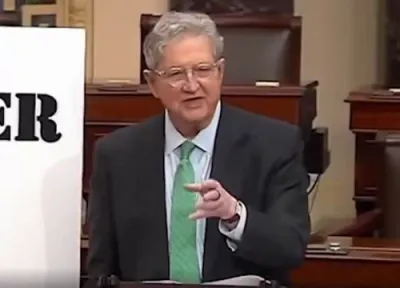
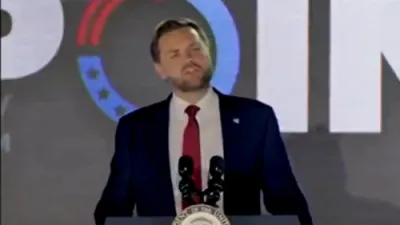
Sen. John Kennedy’s bill to withhold congressional salaries during government shutdowns has been advanced by the Senate Rules Committee, marking a significant step toward accountability for lawmakers. The legislation proposes that senators would not receive pay until government operations resume, aligning their compensation with the timely performance of their duties.
“Senators don’t deserve a DIME from the American taxpayer until they do their JOBS,” Kennedy said on the Senate floor, emphasizing the impact of prolonged shutdowns on federal employees and the public. He highlighted that during recent shutdowns, federal workers have faced delayed pay, partial compensation for military personnel and air traffic controllers, and disruptions in programs like SNAP, with some employees borrowing hundreds of millions just to cover basic expenses.
Kennedy drew historical parallels to 2013, noting that President Obama supported similar legislation during a government shutdown. “Members of Congress had an epiphany, and they found religion! They opened up government,” he remarked, stressing that tying pay to performance incentivizes timely legislative action.
The bill is designed to ensure that lawmakers face the same financial consequences as the workers and citizens affected by shutdowns. By advancing through the Senate Rules Committee, the proposal moves closer to potential floor consideration, garnering attention from both sides of the aisle for its straightforward approach to fiscal accountability.
Kennedy’s statement, “What’s good for the goose is good for the gander!” encapsulates the bill’s ethos: if federal employees and the military cannot receive timely pay, elected officials should likewise be accountable until government operations resume. The measure is receiving public support from constituents who argue that lawmakers should share the burdens imposed by shutdowns and that financial incentives may prevent prolonged government closures in the future.