איראן פראטעסטן גייען ווייטער אן
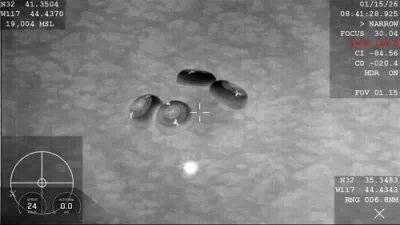
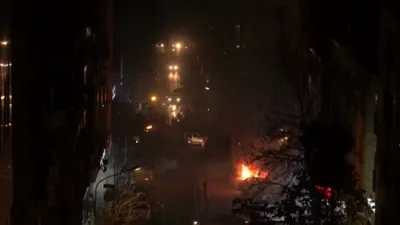
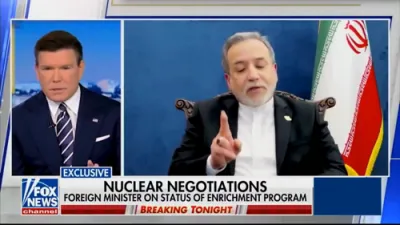
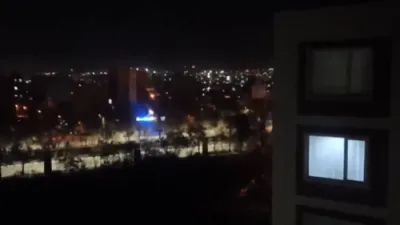
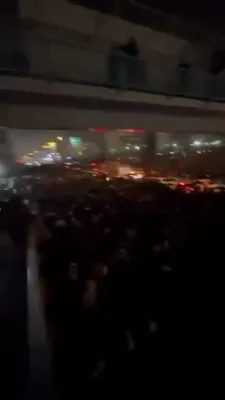
On January 9, 2026, Iranian authorities deployed riot police and motorcycle units across Tehran to suppress a surge of nationwide protests, issuing orders to shoot demonstrators on sight. Unverified but consistent eyewitness reports and night-time imagery depict security forces advancing through the streets with visible gunfire, highlighting the lethal measures used against citizens demanding political and economic reforms.
The protests, ignited by economic collapse, corruption, and rising unemployment, quickly spread across Iran’s major cities. Human Rights Activists News Agency reports that at least 2,400 protesters were killed during the early days of the demonstrations, with thousands more arrested. Authorities also imposed a nationwide internet blackout, limiting access to social media and news, in an apparent effort to conceal the scale of the atrocities.
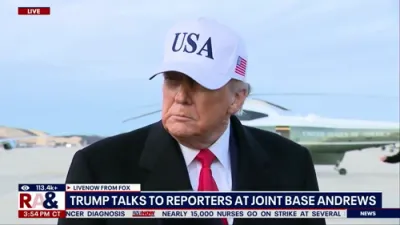
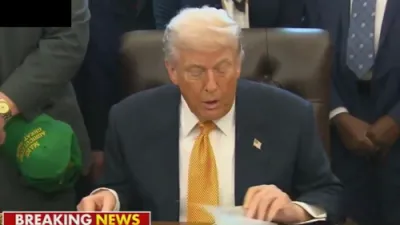
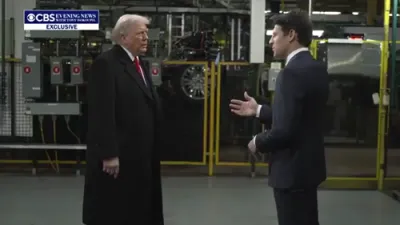
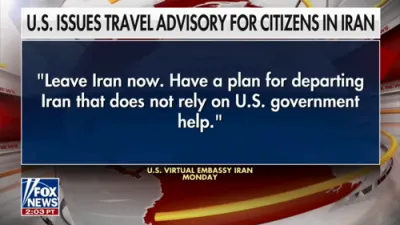
In response to the violence, the United States imposed targeted sanctions on five Iranian officials connected to the suppression on January 15. President Donald Trump stated that killings had ceased, citing intelligence reports, but ongoing accounts from inside Iran contradict this assertion. Videos and social media posts emerging from the country continue to show clashes between protesters and security forces, fueling online calls for international intervention.
Observers note that the regime’s combination of mass arrests, lethal force, and information control underscores the authoritarian tactics employed to maintain power. Analysts warn that continued repression could intensify instability in Iran and draw stronger international attention, including potential multilateral sanctions and humanitarian pressure.
The situation in Iran remains fluid, with demonstrators facing extreme risk while attempting to exercise their right to protest. Human rights advocates emphasize the urgency of international monitoring and intervention to prevent further loss of life.