GRAVE MISCALCULATION: President Herzog Blasts British Sanctions on West Bank Settlements
Gallery
Videos
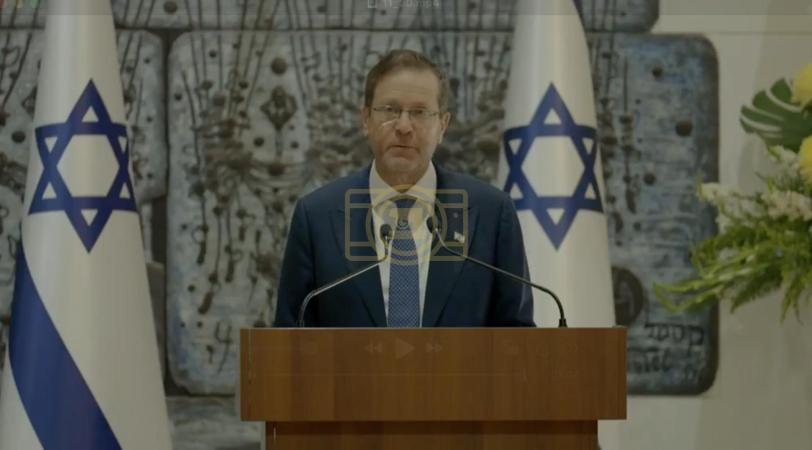
Israeli President Isaac Herzog has strongly criticized Britain’s decision to impose trade sanctions on goods from Israeli settlements in the West Bank, describing the move as a “grave miscalculation.” Speaking on September 8, 2026, Herzog also labeled the measures a “gross interference” in Israel’s upcoming democratic elections. He argued that the sanctions would ultimately prove to be a decision that falls on the wrong side of history. The president called on foreign governments to abandon boycotts and sanctions in favor of constructive dialogue and cooperation.
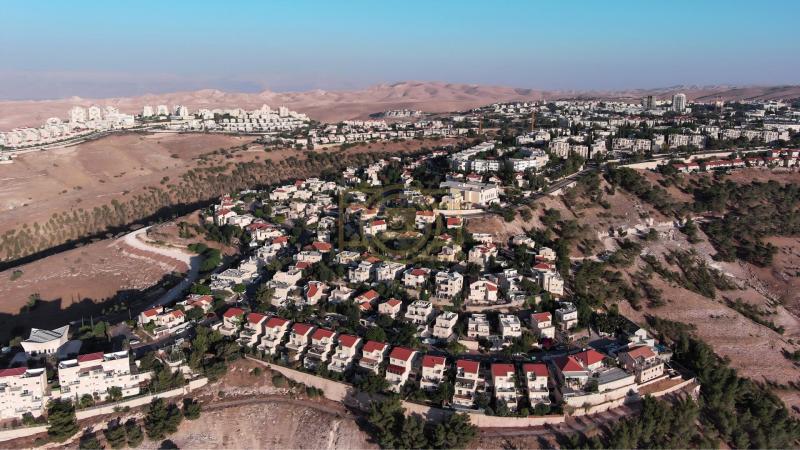
Britain announced the package of measures in coordination with France and Canada. The steps include a ban on imports of goods produced in West Bank settlements and restrictions targeting services such as construction, infrastructure, financing and real estate linked to settlement expansion. British officials stated that the occupation is unlawful and accused some settler actions of amounting to ethnic cleansing of Palestinians. The announcement marked a significant hardening of policy toward Israeli settlements in the occupied territories.
Herzog countered that the sanctions would harm Palestinian workers and businesses that depend on economic activity connected to the settlements. He said the measures would rob Palestinians of employment opportunities and serve no constructive purpose. The president further warned that such actions would undermine the national security interests of Western nations that value freedom and stability. He urged countries considering similar steps to reverse course and choose engagement over isolation.
The timing of the British announcement has drawn particular attention in Israel because it comes ahead of national elections. Herzog framed the sanctions as external pressure that could influence the domestic political landscape. Other Israeli figures also criticized the move, while some groups supportive of a two-state solution welcomed the distinction between Israel proper and the settlements. The debate reflects deep divisions over the status of the West Bank and the role of international pressure.
Britain’s foreign secretary presented the sanctions as part of a broader international effort to support a two-state solution and oppose actions that undermine it. Several other European countries have already taken or are considering similar restrictions on settlement goods. The coordinated approach by Britain, France and Canada adds weight to the diplomatic message, even as the practical economic impact on bilateral trade remains limited according to some assessments.
Herzog’s unusually sharp public response highlights the sensitivity of the issue within Israel. By emphasizing potential harm to Palestinians and interference in elections, he sought to challenge the rationale behind the sanctions. The exchange underscores ongoing tensions between Israel and key Western partners over settlement policy and the future of the occupied territories. Further reactions from Israeli political leaders and additional countries are expected as the measures take shape.