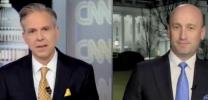
הייסע אויסטויש: דזשעיק טעפער ענדיגט א סי-ען-ען אינטערוויו נאך א צוזאמענשטויס מיט סטיווען מילער איבער ווענעזועלא.
גאלערי
ווידעאס
A tense and highly charged exchange on CNN ended abruptly after anchor Jake Tapper clashed with Homeland Security Adviser Stephen Miller over the Trump administration’s decisive action in Venezuela, including the January 3, 2026, U.S. military operation that seized Venezuelan President Nicolás Maduro.
The confrontation escalated when Tapper acknowledged the unprecedented nature of the operation, stating, “We went into the country, and we seized the leader of Venezuela,” before pressing Miller on the administration’s broader strategy, including questions about elections and support for opposition figures.
Miller responded forcefully, defending the operation as a necessary act of national and hemispheric security. He argued that the United States will not tolerate authoritarian regimes that enable narcotics trafficking, mass illegal migration, weapons smuggling, or the expansion of hostile foreign influence in the Western Hemisphere. According to Miller, allowing Venezuela to remain under such leadership would pose direct risks to American security and regional stability.
As the exchange intensified, Miller emphasized that the United States is a global superpower and that, under President Trump, it intends to act accordingly. He invoked long-standing American principles regarding hemispheric defense, underscoring that the administration will not allow adversarial powers to gain a strategic foothold in the Americas.
Tapper repeatedly challenged Miller on whether the administration had a clear political transition plan in place, including immediate backing for Venezuelan opposition leader María Corina Machado. Miller pushed back sharply, accusing the host of minimizing the security threats posed by the Maduro regime and dismissing what he characterized as media skepticism toward American strength.
Moments later, Tapper abruptly ended the interview, closing the segment as tensions peaked on air.
The clash highlights a growing divide between the Trump administration’s assertive foreign policy posture and legacy media outlets that question its tactics. Supporters argue the exchange revealed a renewed doctrine of American power—one that prioritizes decisive action, border security, and regional deterrence over prolonged diplomatic hesitation.
The Venezuela operation, and the reaction to it, continues to reverberate across Washington and the media landscape, signaling that debates over American leadership, sovereignty, and the use of force abroad are far from settled.
