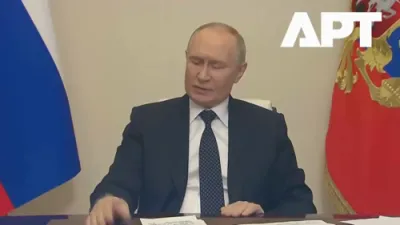
פוטין זאגט אז אמעריקע קען זיך ערלויבן גרינלאנד צוליב ארקטישע דעבאטע.
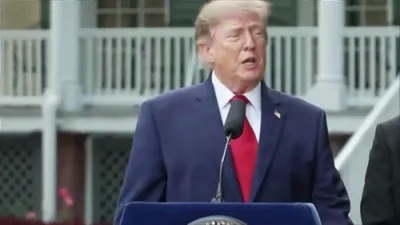
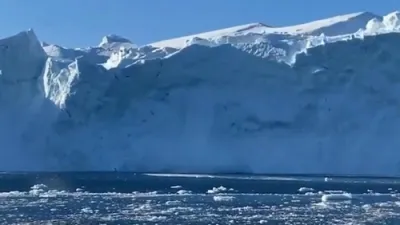
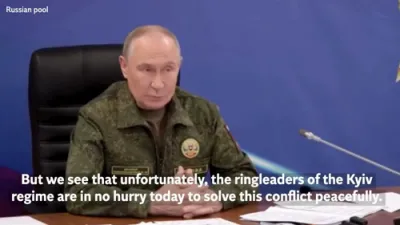
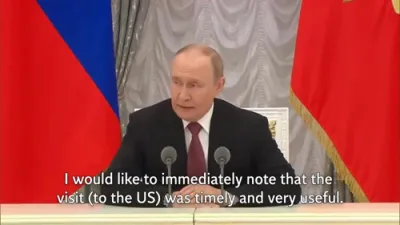
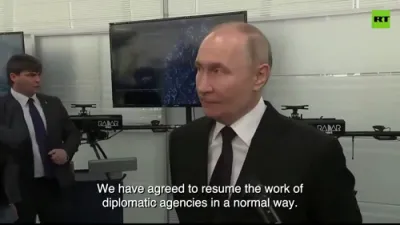
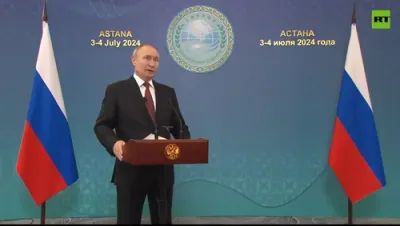
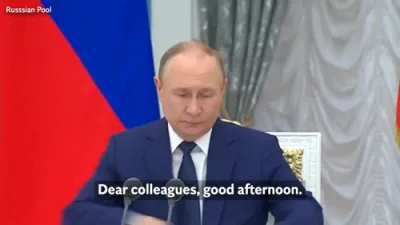
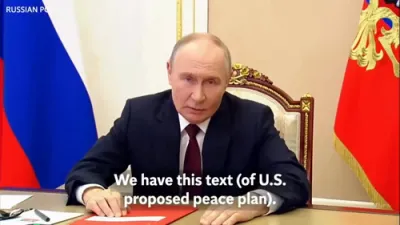
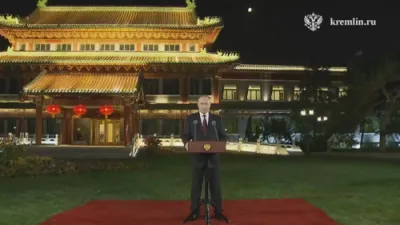
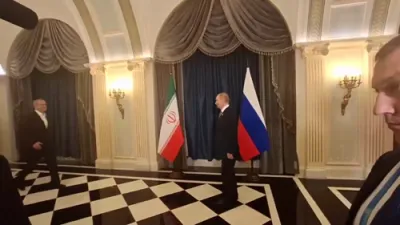
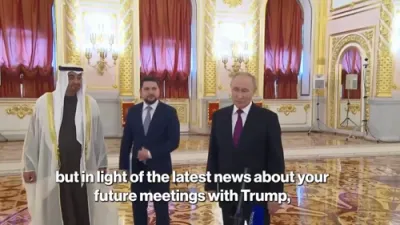
Russian President Vladimir Putin injected himself into renewed international debate over Greenland by offering a hypothetical valuation of the territory, responding indirectly to President Trump’s revived interest in securing long-term U.S. control or access for strategic Arctic purposes. Speaking during a Russian Security Council meeting on January 21, 2026, Putin framed the discussion through historical precedent, referencing the United States’ 1867 purchase of Alaska.
Putin claimed that when adjusted for inflation, Alaska was sold to the United States for the equivalent of approximately $158 million. Based on Greenland’s larger size, he estimated a modern price tag of roughly $200 to $250 million. He added that if gold prices were used as a benchmark, the valuation could rise significantly, potentially approaching $1 billion. Putin concluded that such a sum would still be well within the financial capacity of the United States.
The Russian leader also criticized Denmark’s historical treatment of Greenland, describing it as colonial and, at times, harsh. He suggested that Greenland had long been governed in a manner that failed to respect the interests of its local population, though he stopped short of offering any formal position on the matter. Putin emphasized that the issue does not concern Russia directly, stating that Denmark, Greenland, and the United States would “sort it out among themselves.”
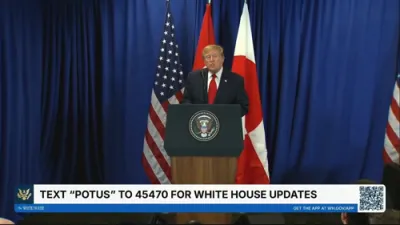
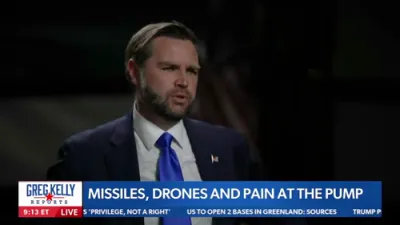
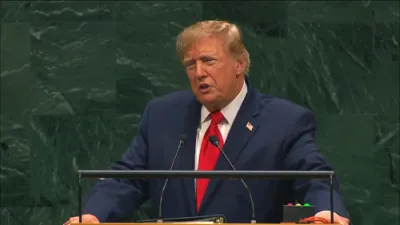
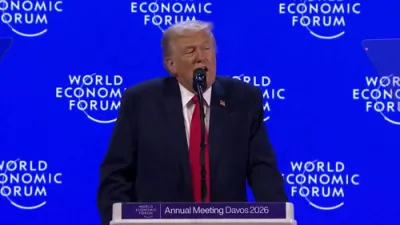
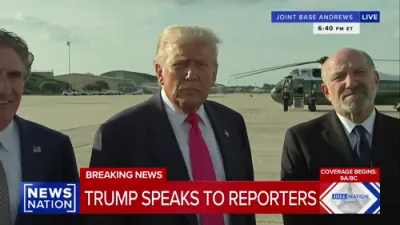
Putin’s remarks come amid heightened geopolitical competition in the Arctic, where access to rare earth minerals, shipping lanes, and military positioning has taken on increasing importance. President Trump’s renewed focus on Greenland has been framed by supporters as a forward-looking strategic move aimed at countering Russian and Chinese influence in the region while strengthening U.S. national security.
While critics dismiss the idea of territorial acquisition as provocative or outdated, advocates argue that Trump’s approach reflects realism rather than symbolism. By openly discussing Greenland’s strategic value, the United States has forced global attention onto Arctic security and resource competition, areas long neglected by prior administrations.
Putin’s comments, though framed as detached observation, underscore the seriousness with which major powers view Greenland’s geopolitical importance. His willingness to discuss valuation and affordability highlights a broader acknowledgment that Arctic territory is no longer peripheral, but central to future global power dynamics.