ANCIENT MEETS ARSENAL: Israel Seals Record €3B "Achilles Shield" Deal with Greece

Gallery
Videos
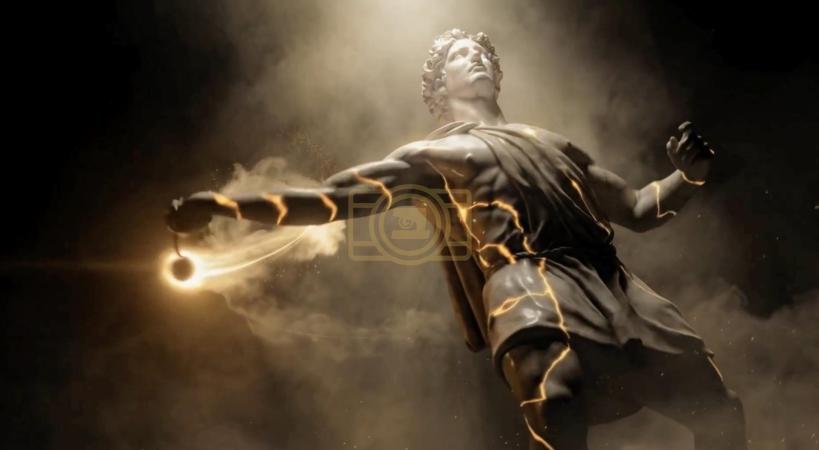
A striking video released to mark the occasion blends ancient Greek marble statues standing silently in a museum with explosive imagery of missile launches, glowing energy trails, and aerial intercepts, a visual metaphor for what officials are calling the fusion of Hellenic heritage with cutting-edge Israeli defense technology. The dramatic imagery accompanies today's signing of the "Achilles Shield" agreement, a roughly €3 billion defense deal between Israel and Greece that officials on both sides are calling the largest export in the history of Israeli-Greek relations, and one of the largest defense export deals in Israel's history overall. The symbolism is deliberate: an ancient civilization famed for its warriors and myths is now being wrapped in a distinctly modern layer of protection built by one of its closest regional allies.
At the heart of the deal is a comprehensive, multi-layered air defense network designed to protect Greece from an unusually wide spectrum of threats, including aircraft, drones, cruise missiles, and ballistic missiles. Israeli defense firm RAFAEL is supplying key components of the system, including its David's Sling interceptor platform and SPYDER mobile air defense system, both of which have seen real-world use defending Israeli territory. The package also includes RAFAEL's Drone Dome system, aimed specifically at countering the growing threat posed by hostile unmanned aircraft, along with a newly developed national command-and-control network designed to tie every sensor and interceptor together into a single, coordinated defensive picture. That integration is critical, since a defense system is only as effective as its ability to detect a threat, classify it, and respond in seconds.
What makes this deal notable beyond its price tag is how deeply it's designed to weave into Greece's existing military infrastructure rather than simply replacing it. The system is being built for interoperability with assets Greece already operates, ensuring that new Israeli technology complements rather than competes with the country's current defenses. Local industry participation is also a significant piece of the arrangement, with Greek companies expected to take on a meaningful share of the project's manufacturing and development work rather than the deal being a simple hardware purchase. That structure reflects a broader trend in major defense agreements, where technology transfer and domestic industrial involvement have become just as important to host nations as the weapons systems themselves.
For Greece, the agreement represents one of the most ambitious steps yet in modernizing its national defense posture, positioning the country among the first in Europe to field this kind of layered, Israeli-designed shield against modern aerial threats. For Israel, it cements a defense export relationship that has grown steadily in scale and significance, built on systems that have already proven themselves under real combat conditions. The choice of the name "Achilles Shield" carries its own weight, invoking a mythological hero famous for his near invulnerability, a fitting symbol for a nation now betting billions on a promise of protection from the skies above.