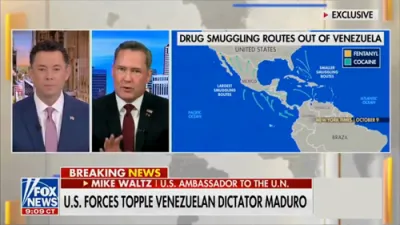
פרעזידענט טראמפ זאגט צו א ארדנטלעכן איבערגאנג נאך מאדורא'ס ארויסווארף.
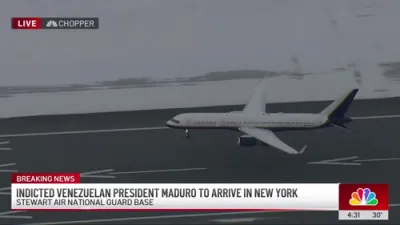
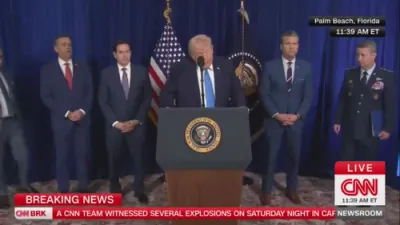
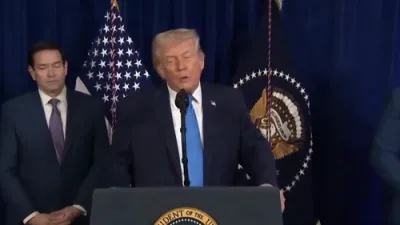
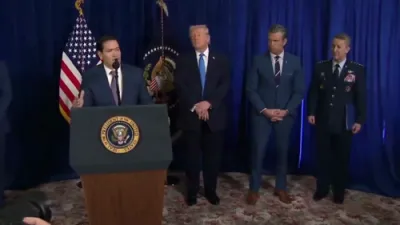
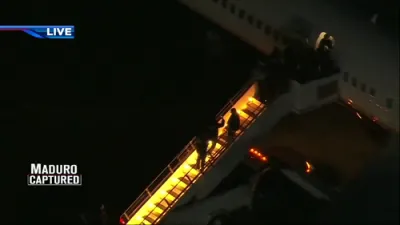
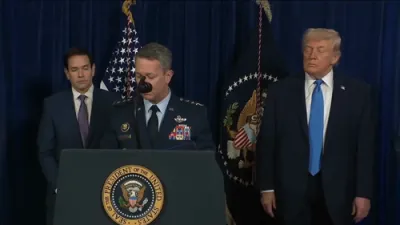
President Donald Trump signaled a decisive new phase in U.S. policy toward Venezuela, stating that the United States will oversee the country’s governance temporarily to ensure a “safe, proper and judicious transition” following the capture of Nicolás Maduro on January 3, 2026. Speaking in a video statement, Trump emphasized that the goal is stability, not permanent control, and warned against allowing Venezuela to fall back into the hands of another corrupt or hostile regime.
“We are going to run the country, until a safe, proper and judicious transition,” Trump said, making clear that U.S. involvement is intended to prevent chaos, reprisals, or the emergence of another authoritarian government. He stressed that Washington has no interest in replacing one failed ruler with another who would perpetuate the same conditions that devastated the nation.
Trump framed the move as a humanitarian and strategic necessity, pointing to Venezuela’s prolonged economic collapse and the mass displacement of its population. Since 2014, an estimated 7.7 million Venezuelans have fled the country, creating one of the largest refugee crises in modern history. According to Trump, restoring basic order is essential before free and credible elections can take place.
“We want peace, liberty and justice for the great people of Venezuela,” Trump said, underscoring that the interim administration is designed to stabilize institutions, secure critical infrastructure, and lay the groundwork for democratic self-rule. He portrayed the effort as a corrective measure after years of criminal governance, systemic corruption, and foreign exploitation.
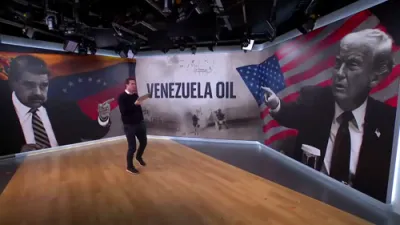
The announcement also reflects a broader geopolitical recalibration in the Western Hemisphere. Trump’s approach invokes a modern interpretation of the Monroe Doctrine, aimed at countering entrenched Russian and Chinese influence in Venezuela, including strategic access to the country’s vast oil reserves. With an estimated 300 billion barrels of proven reserves, Venezuela’s energy sector is viewed by U.S. officials as both a security concern and a potential stabilizing force for global energy markets once responsibly managed.
While the policy carries diplomatic risks, particularly with Latin American governments sensitive to U.S. intervention, Trump presented the plan as a necessary step to prevent further regional instability. He argued that decisive leadership now would shorten the crisis, reduce refugee flows, and ultimately return sovereignty to the Venezuelan people through a legitimate democratic transition.
Trump’s remarks mark one of the most consequential foreign policy declarations of his presidency, signaling that the United States is prepared to assume temporary responsibility to restore order when a failed regime collapses and regional security is at stake.