מאדורא ביים אנקומען אין טורמע אין ניו יארק סיטי
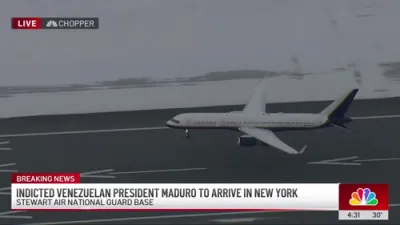
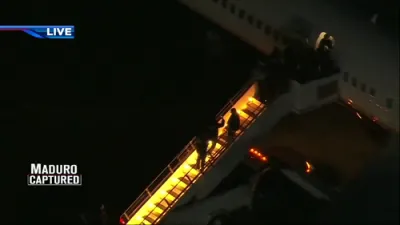
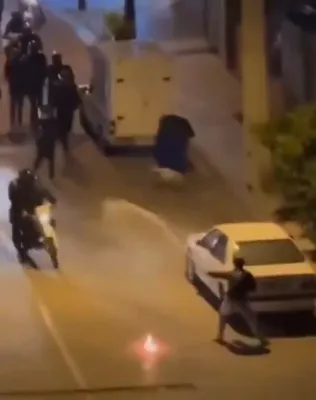
Venezuelan President Nicolás Maduro has arrived at a Drug Enforcement Administration office in Manhattan following what U.S. officials describe as a high-security capture and extradition operation. Video footage and photographs circulating late Monday show a heavily guarded nighttime motorcade moving through New York City, including an armored BearCat vehicle, as Maduro was transported to federal custody.
According to reports tied to the operation, Maduro was taken into custody during a U.S. Special Forces raid on his compound in Caracas. He was then blindfolded and transported by helicopter before being flown to New York under tight security. Officials familiar with the transfer say the extradition was executed without U.S. casualties and involved multiple federal agencies coordinating across borders.
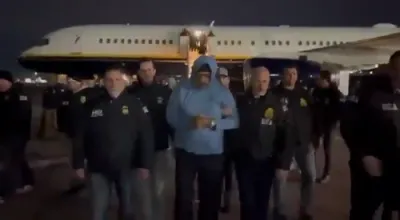
Newly released photos show Maduro under guard with Homeland Security Investigations and DEA officers at Stewart Air National Guard Base prior to his transfer into Manhattan. From there, he was moved in an armored motorcade through city streets, drawing attention from onlookers as police vehicles and emergency lights secured the route.
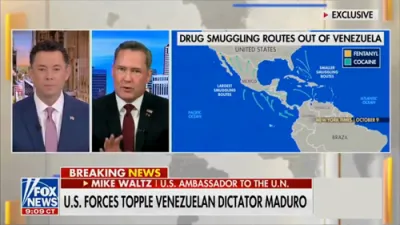
The operation marks a dramatic turning point in U.S. efforts to hold foreign leaders accountable for alleged crimes targeting the United States. Maduro has long been accused by federal prosecutors of leading a narco-terrorism enterprise, using state power to facilitate cocaine trafficking and protect criminal networks operating throughout the Western Hemisphere.
For years, critics argued that Maduro operated with impunity while millions of Venezuelans fled economic collapse and political repression. His presence in a Manhattan DEA office represents a stark reversal of fortune and underscores the Trump administration’s stated commitment to confronting hostile regimes accused of directly harming American interests.
As Maduro remains in federal custody, attention now shifts to the legal process ahead, with prosecutors expected to move swiftly on long-standing charges that could redefine U.S. policy toward authoritarian leaders engaged in transnational crime.