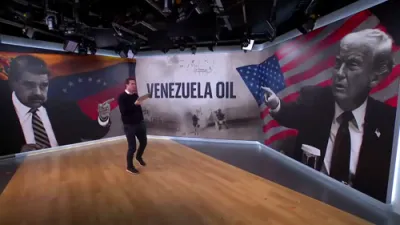
פרעזידענט טראמפ האט ארויסגעגעבן א פלאן צו איבערבויען ווענעזועלא'ס אויל אינדוסטריע.
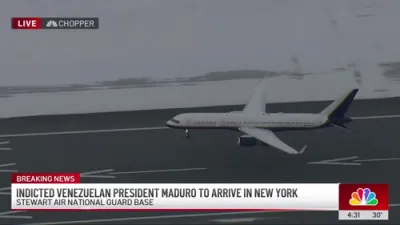
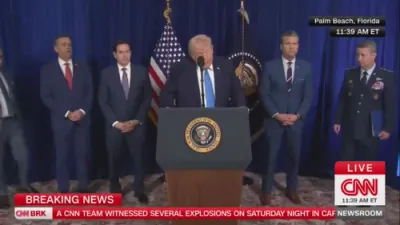
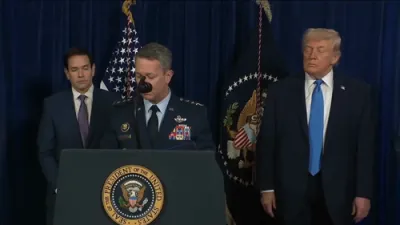
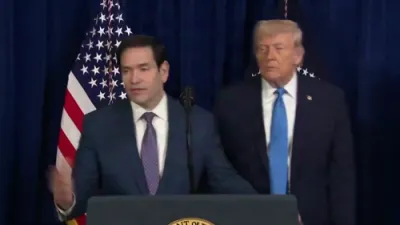
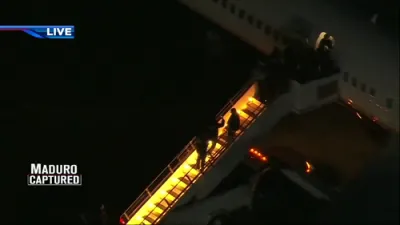
President Donald Trump announced plans for a U.S.-led interim administration in Venezuela focused on restoring order, rebuilding critical infrastructure, and addressing the humanitarian fallout caused by years of authoritarian rule under Nicolás Maduro. Speaking after Maduro’s capture on January 3, 2026, Trump emphasized that the United States will ensure the country is managed properly during the transition period, with particular attention on reviving Venezuela’s once-dominant oil industry.
“We're going to make sure it's run properly,” Trump said, outlining a strategy centered on restoring basic functionality to a nation devastated by corruption and mismanagement. Central to that effort is the rebuilding of Venezuela’s oil infrastructure, which Trump acknowledged would require billions of dollars in investment after years of neglect, sabotage, and politicization under the former regime.
Venezuela possesses the largest proven oil reserves in the world, estimated at more than 300 billion barrels, yet production has collapsed dramatically. Under Maduro, output reportedly fell by roughly 70 percent, dropping to under 800,000 barrels per day as refineries deteriorated, skilled workers fled, and systemic corruption hollowed out the state energy sector. Trump framed the recovery of this infrastructure as both an economic necessity for Venezuela and a stabilizing force for global energy markets.
According to the plan outlined by the president, American energy companies such as Exxon and Chevron are expected to play a central role in financing and executing the reconstruction. These firms would initially fund the rebuilding of production and refining capacity, with reimbursement structured through future oil output once operations are restored. The approach is designed to limit long-term taxpayer exposure while accelerating recovery through private-sector expertise.
Trump also highlighted the human dimension of the crisis, pledging support for the millions of Venezuelans forced to flee the country under Maduro’s rule. “We're going to make sure the people that were forced out of Venezuela by this thug are also taken care of,” he said, signaling efforts to facilitate safe returns, restore employment opportunities, and rebuild basic services.
The president portrayed the initiative as a decisive break from past failures, arguing that restoring energy production would provide the financial backbone needed for broader national recovery. Increased Venezuelan output, he noted, could help stabilize global supply and ease pressure on energy prices while returning sovereignty over resources to the Venezuelan people under accountable governance.
Trump’s remarks signal an ambitious and consequential phase in U.S. involvement, blending humanitarian objectives, strategic energy policy, and economic reconstruction. Supporters view the plan as a pragmatic path to reversing Venezuela’s collapse, restoring regional stability, and ensuring that one of the world’s most resource-rich nations can finally begin to recover after years of deliberate destruction.