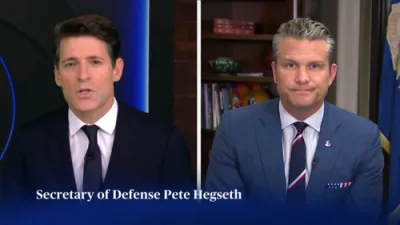
פיט העגסטעט זאגט אז קאנגרעס ווערט אינפארמירט איבער די מאנדורא ארעסט
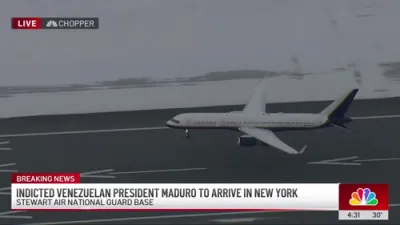
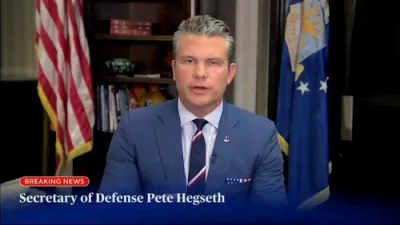
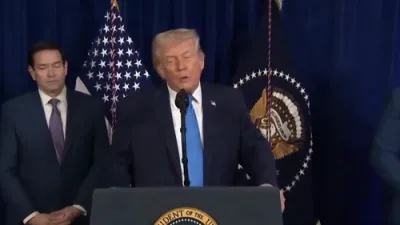
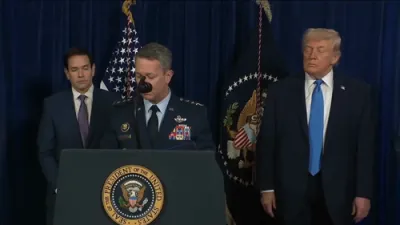
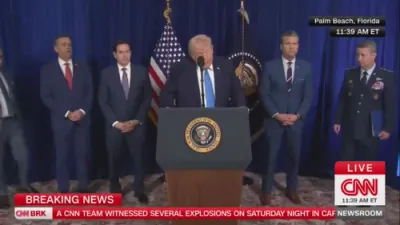
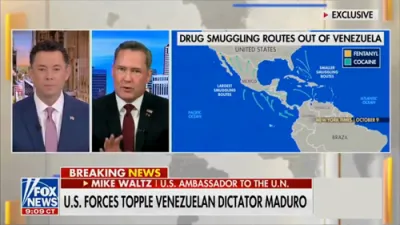
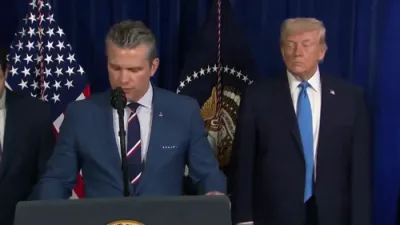
U.S. Secretary of War Pete Hegseth strongly defended the recent military operation that captured Venezuelan President Nicolás Maduro, responding to complaints from Democratic lawmakers about being excluded from pre-operation briefings. Hegseth emphasized that the raid was fundamentally a law enforcement action, executed in support of the Department of Justice, and that prior congressional notification could have jeopardized its success.
“This was a LAW ENFORCEMENT exercise. It was the Department of War, in support of the Department of Justice, pulling out an indicted person, who ultimately will face justice,” Hegseth stated. He made clear that the sensitive nature of the operation required absolute operational security, leaving no room for leaks or early disclosure.
The statement came in response to criticism from Democrats who argued they should have been informed before the operation, despite the fact that Nicolás Maduro had been under indictment since 2020 for narcoterrorism and drug-trafficking charges. Hegseth reiterated that notifying Congress ahead of time could have enabled leaks, alerting hostile actors and endangering U.S. personnel involved in the raid.
“This is NOT something you notify Congress about beforehand. Tell Democrats NOTHING. EVER,” Hegseth said, underlining the administration’s position that certain missions require discretion to safeguard American lives and ensure mission success.
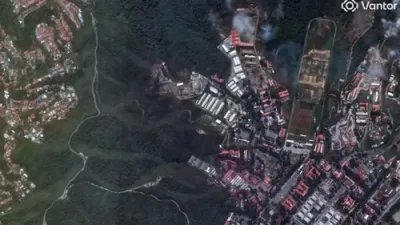
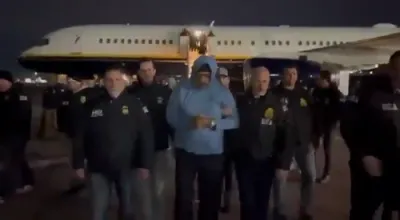
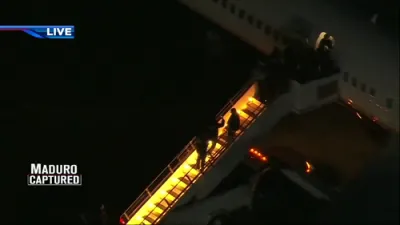
The operation, which took place on January 3, 2026, involved special forces and precision strikes, culminating in Maduro’s capture with no reported U.S. casualties. Hegseth framed the mission as part of a broader law enforcement and national security strategy, demonstrating that high-risk, targeted operations can be carried out decisively while minimizing risks to both U.S. personnel and civilians.
Hegseth’s remarks highlight the Trump administration’s approach to national security and foreign operations: when dealing with indicted foreign leaders posing threats to American interests, mission success and operational security take precedence over political considerations or partisan pressures.